Florida Fence Laws: Everything You Need to Know
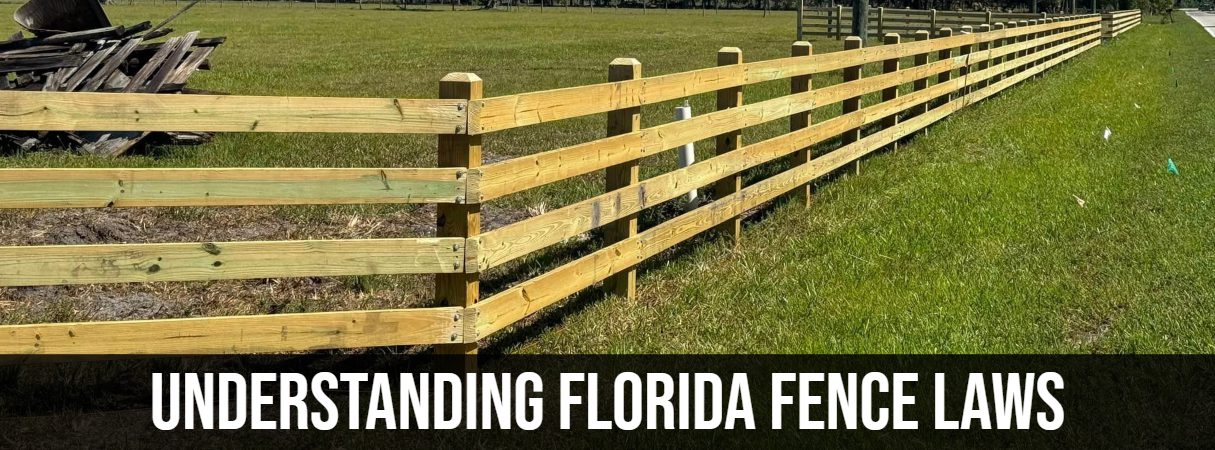
Overview of Florida Fence Laws
Welcome to the wild world of Florida fence laws, where a simple fence can lead to more drama than a reality TV show. You might think fencing is just about keeping your dog in the yard or adding a little curb appeal, but in Florida, it’s a whole different ball game. Whether you’re trying to block out those nosy neighbors, protect your garden from local wildlife, or just define your space, understanding the rules is crucial—because, trust me, you don’t want your weekend DIY project to turn into a full-blown neighborhood feud.
Florida’s fence laws are like the weather here—unpredictable and sometimes a little intense. With regulations varying from county to county and even neighborhood to neighborhood, it’s easy to get caught up in a web of rules that make you wish you’d just stuck with a nice, open lawn. But fear not! We’re here to break down the legal jargon into something you can actually use, all while keeping it light-hearted enough to keep you awake.
So, let’s dive into the ins and outs of fence laws in Florida—without the legalese that makes your eyes glaze over. Whether you’re a first-time homeowner or a seasoned Floridian, this guide will help you navigate the potential pitfalls of putting up a fence in the Sunshine State. Because when it comes to fences, it’s not just about where you draw the line—it’s about how you do it, too.
What Are Florida Fence Laws?
You might think that putting up a fence is as simple as picking out your favorite style and calling it a day, but Florida has some specific rules that can turn your fence project into a legal maze. These laws cover everything from how tall your fence can be to where you’re allowed to place it, and even what materials you can use. They exist to keep the peace—or at least try to—and let’s face it, in a state known for its colorful characters, that’s no small feat. So, before you start digging post holes, it’s worth getting familiar with the dos and don’ts to avoid any unwanted surprises or neighborly disputes.
Why Florida Fence Laws Matter
When you’re considering it and saying to yourself “It’s a fence; how bad could it be?” – well there’s actually quite a bit that could go awry! The laws governing fences in Florida are set up to avoid disagreements over property lines and keep neighborhoods looking nice and safe too. If a fence is constructed tall or close, to a property boundary line it can result in expensive penalties and upset neighbors; you might even find yourself unexpectedly involved in a neighborhood legal battle!
Living in a state, like Florida where hurricanes and strong winds are visitors means that these regulations also serve to prevent your fence from posing a danger during extreme weather events. In essence know in these regulations can prevent issues and potentially lessen worries and sleepless nights. At some point, especially if this was an inherited Florida land, it might be worth seeing if you can sell instead of dealing with a pesky neighbor.
Fence Height Regulations
Residential & Commercial Fence Height Limits
Size does matter—especially when it comes to your fence. In Florida, residential fences are generally limited to 4 feet in the front yard and up to 6 or 8 feet in the backyard. Got a business? You might be able to go as high as 12 feet, but don’t get too carried away with your fortress-building fantasies. The local zoning district has the final say, so it’s best to check before you start digging.
Exceptions & Variances
Live next to a particularly noisy neighbor or a bustling gas station? You might be eligible for a variance—a fancy word for permission to go taller than the standard limits. It’s like getting a hall pass in high school, but for your fence. Just be prepared to plead your case to the local authorities.
Boundary & Property Line Considerations
Determining Property Lines
You wouldn’t want to build a fence on someone else’s lawn—unless you’re looking to start a neighborhood feud. Determining where your property ends and your neighbor’s begins is crucial. If you’re unsure, hire a surveyor to mark those boundaries. Trust me, it’s cheaper than a lawsuit.
Building Fences on Property Lines
So, you’ve got the green light to build on the property line. Great! But hold up—did you talk to your neighbor? Florida doesn’t require you to get their blessing, but a little communication goes a long way. If they’re on board, consider drafting a simple agreement that spells out who’s responsible for what.
Permits & Legal Requirements
When Do You Need a Permit?
Permits are like the DMV of the construction world—nobody likes dealing with them, but skipping out can land you in hot water. In many Florida counties, you’ll need a permit before putting up a fence, especially if it’s taller than the usual limits. The process is pretty straightforward: fill out an application, pay a fee, and let the city inspector do their thing.
Zoning & Building Codes
Zoning laws might sound boring, but they’re the reason your neighborhood doesn’t look like a patchwork quilt of random fence styles. Each area in Florida has its own set of building codes that dictate everything from materials to height. Make sure your fence design aligns with these rules, or you could be forced to tear it down and start over—ouch.
Specific Types of Fences & Materials
Materials Required by Law
Florida’s climate isn’t exactly fence-friendly. Between the hurricanes and the humidity, your fence has a lot to deal with. That’s why the state has guidelines on materials. For example, if you’re thinking about a chain-link fence, you’ll need a specific gauge that can withstand high winds. Wood lovers, make sure it’s pressure-treated to fend off the moisture and termites.
Agricultural & Livestock Fences
For those of you out in the country, Florida law requires that you fence in your livestock to prevent them from wandering onto a neighbor’s property. These aren’t your average picket fences; they need to be sturdy enough to keep cows, horses, and other large animals contained.
Spite Fences & Nuisance Laws
What is a Spite Fence?
Ah, the infamous spite fence—a structure built not for privacy or protection, but purely to annoy your neighbor. In Florida, building a spite fence can get you into legal trouble faster than you can say “property dispute.” If your fence serves no legitimate purpose and is clearly meant to make your neighbor’s life miserable, don’t be surprised if you’re asked to take it down—or worse, face a lawsuit.
Handling Neighbor Disputes Over Fences
Disputes with neighbors are about as fun as a root canal, but sometimes they’re unavoidable. If you find yourself in a fence-related feud, try mediation before lawyering up. A calm conversation can often resolve the issue without the need for legal action. And if that doesn’t work, well, there’s always small claims court.
Special Considerations for Florida’s Climate
Wind & Weather Resistance
Florida isn’t known for gentle breezes, so your fence needs to be more than just good-looking—it needs to be tough. The Florida Building Code has specific requirements for wind resistance, especially in areas prone to hurricanes. Make sure your fence can stand up to the elements, or it might just end up as debris in your neighbor’s yard.
Wind & Weather Resistance
Even the sturdiest fence needs a little TLC from time to time. Regular maintenance isn’t just about keeping your fence looking sharp; it’s also about staying on the right side of the law. In Florida, neglecting your fence can lead to fines or even mandatory repairs, so keep those boards and links in tip-top shape.
Conclusion to Navigating Florida’s Fence Laws
Putting up a fence in Florida is more than just a weekend DIY project—it’s a legal endeavor with plenty of rules to follow. Whether you’re aiming to boost your property’s curb appeal, keep your kids and pets safe, or simply avoid the prying eyes of curious neighbors, understanding the state’s fence laws is key to avoiding costly mistakes. But with a little planning and a good grasp of the legal landscape, you can build a fence that not only keeps the peace but also adds significant value to your property.
Plus, a well-built fence can offer you peace of mind, knowing that your investment is both aesthetically pleasing and legally sound. And who knows? Maybe it’ll even make you the envy of the neighborhood, with folks stopping by to ask for your advice on how they can achieve the same success. So go ahead, roll up your sleeves, and get to work—just make sure to keep those Florida laws in mind, and your fence project will be a hit, not a headache. If you’re tired of dealing with this mess, then you could also consider the Pros & Cons of Buying Land in Florida.
Frequently Asked Questions (FAQs)
1. Can My Neighbor and I Share the Cost of a Boundary Fence?
Yes, but it’s not required by law. In Florida, neighbors can choose to share the cost of building and maintaining a boundary fence, but there’s no legal obligation to do so unless both parties agree in advance. If you decide to share the costs, it’s wise to put the agreement in writing to avoid future disputes.
2. How High Can I Build My Fence in Florida?
The height of your fence depends on where it’s located. Generally, residential fences in Florida can be up to 4 feet high in the front yard and 6 to 8 feet high in the backyard. However, different counties or municipalities may have their own specific regulations, so it’s essential to check local ordinances before construction.
3. Do I Need a Permit to Build a Fence in Florida?
In many cases, yes. Most counties and municipalities in Florida require a permit for fence construction, especially if the fence exceeds certain height limits or if it’s being built in a specific zone. The permit process typically involves submitting plans, paying a fee, and ensuring the fence meets local building codes.
4. What Is a “Spite Fence” and Is It Legal in Florida?
A spite fence is a fence built with the intent to annoy or harm a neighbor, rather than for a legitimate purpose like privacy or security. In Florida, spite fences are generally considered illegal under nuisance laws. If it’s proven that a fence was built out of malice, a court can order its removal or impose other penalties.
5. Who Is Responsible for Maintaining a Fence on the Property Line?
If a fence is built directly on the property line, both neighbors typically share responsibility for its maintenance, unless there’s an agreement stating otherwise. If the fence was built entirely on one property, the owner of that property is responsible for its upkeep. Disputes over fence maintenance can often be avoided by discussing responsibilities with your neighbor beforehand.