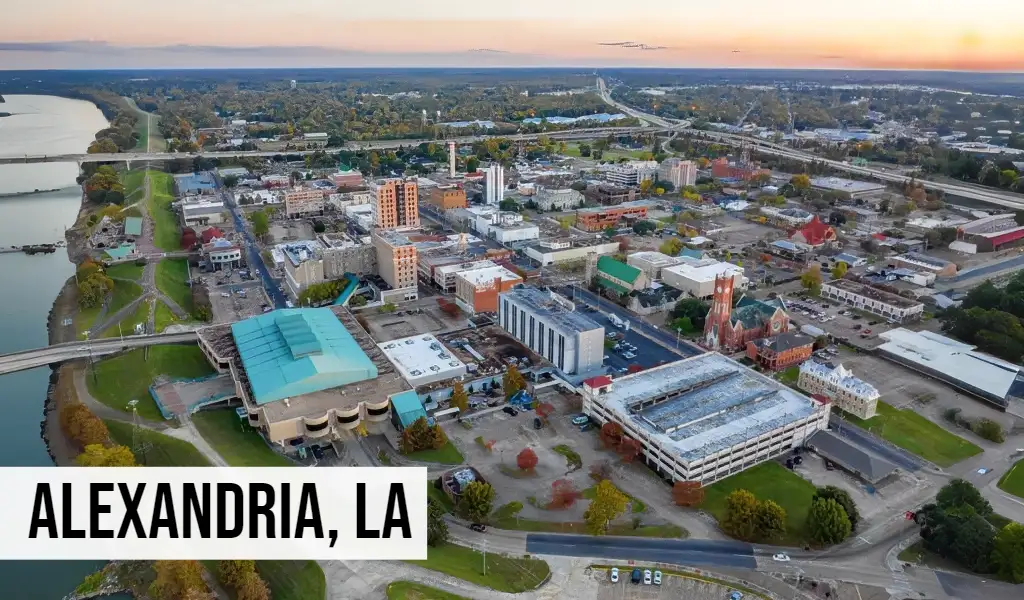
How Much is an Acre of Land in Louisiana?

Determining the value of an acre of land in Louisiana requires localized data. Land prices depend strictly on terrain utility and geography. A flooded cypress swamp in the Atchafalaya Basin carries a different valuation than prime soybean cropland in the Mississippi River Delta or mature pine timberland in northern parishes. This guide breaks down current land prices across Louisiana, examines regional market differences, and explains the specific economic factors that dictate your rural property’s true market value.
The Average Cost of Land in Louisiana
The baseline metric for land valuation starts with agricultural and pasture data. According to the USDA National Agricultural Statistics Service, the average value of farm real estate in Louisiana is between $3,700 and $3,900 per acre. Rural vacant land, recreational acreage, and dense timberland trade on entirely different financial metrics based on their highest and best use.
| Land Category | Estimated Price Per Acre | Primary Value Driver |
|---|---|---|
| Prime Cropland (Irrigated) | $4,000 to $6,000+ | Soil yield and commodity prices |
| Pastureland | $2,800 to $3,500 | Grazing capacity |
| Mature Timberland | $2,500 to $4,000 | Wood volume and age class |
| Recreational / Hunting Land | $1,500 to $2,500 | Wildlife habitat and water access |
| Cutover Timber Tracts | $1,200 to $1,800 | Replanting potential |
| Unbuildable Wetlands | Under $1,000 | Conservation or mitigation potential |
Louisiana Land Prices by Region
Louisiana features diverse geography and localized economies. The state is divided into distinct regions, and these regional economies directly dictate local land values.
North Louisiana: Timber and Recreation
North Louisiana features rolling hills, extensive pine forests, and large-scale agricultural operations. The land market here is heavily driven by timber production and recreational hunting.
- Key Parishes: Lincoln, Union, Ouachita, Claiborne.
- Primary Uses: Loblolly pine plantations, deer hunting leases.
- Value Factors: Hunting leases add significant income-generating potential, making these tracts highly desirable for regional investors seeking annual returns.
Central Louisiana: Agriculture and Pine Plantations
Central Louisiana serves as a transitional zone. It blends the dense pine forests of the north with the richer alluvial soils found closer to the Mississippi River.
- Key Parishes: Rapides, Avoyelles, Pointe Coupee.
- Primary Uses: Cultivation of soybeans, corn, and cotton.
- Value Factors: The versatility of the terrain ensures a steady baseline of demand from local farming operations and agricultural investment funds.
South Louisiana: Marshland, Sugarcane, and Coastal Impacts
South Louisiana presents the most complex land market in the state. The region features immensely valuable agricultural land alongside vast expanses of protected coastal marshland.
- Key Parishes: Iberia, St. Mary, Assumption.
- Primary Uses: Sugarcane production, waterfowl hunting, conservation.
- Value Factors: Coastal properties face severe development restrictions, rapid land loss, and extreme flooding risks. Prime sugarcane land rarely hits the open market and commands premium prices.
Valuation by Specific Land Type
The intended use of a property is the primary driver of its market value. Buyers evaluate different land types using distinct criteria, and the highest and best use determines the ultimate market ceiling for any given parcel.
Cropland and Agricultural Acreage
Agricultural land is valued strictly on soil yield, irrigation infrastructure, and the commodities market. The LSU AgCenter publishes detailed data on crop yields and agricultural economic impacts across the parishes. Large, unobstructed fields that accommodate modern farming equipment sell at a substantial premium compared to small, irregularly shaped plots.
Timberland and Managed Forests
Timberland valuation is a highly specialized process. Professional appraisers calculate the volume of pulpwood, chip-n-saw, and sawtimber present on the tract. Site index, a metric measuring the potential for tree growth based on soil quality, plays a crucial role in pricing dedicated timber acreage.
Recreational and Hunting Land
Louisiana’s hunting and fishing culture creates a highly liquid market for recreational land. Buyers prioritize year-round water sources, established food plots, internal ATV trail systems, and proven wildlife populations. Proximity to major population centers like Baton Rouge, New Orleans, Shreveport, or Lafayette heavily increases recreational land values.
Wetlands and Conservation Properties
A massive portion of Louisiana consists of wetlands. Properties legally classified as jurisdictional wetlands face stringent regulations under the Clean Water Act. Building permanent residential structures or clearing land requires extremely expensive mitigation processes, resulting in the lowest per-acre valuation in the state.
Key Factors Influencing Your Property Value
Beyond broad geography and land type, specific micro-factors determine the exact appraisal value of your individual rural parcel. Verified legal access and elevation are the most critical valuation factors in the current market.
Topography and FEMA Flood Zones
- Zone A / AE: Require mandatory flood insurance for financed structures and face significantly higher building costs.
- Zone X: Fall outside the special flood hazard area. This land is vastly more desirable for development and commands a major premium.
Road Frontage and Legal Access
- Paved Frontage: Sells for top dollar and allows for easy subdivision.
- Dirt/Gravel Frontage: Standard for rural hunting tracts and acceptable to recreational buyers.
- Landlocked: Lack deeded legal access and suffer massive value reductions. Buyers routinely demand discounts of 50 percent or more.
Mineral Rights and Surface Rights
Louisiana utilizes the concept of mineral servitudes. If a seller retains mineral rights during a sale, those rights revert to the new surface owner after ten years of non-use. Properties sold with 100 percent of the mineral rights intact are highly attractive. Selling only the surface rights depresses the initial sale price.
Utilities and Infrastructure
Land with immediate access to municipal water lines and grid electricity can be easily subdivided for residential development. Completely off-grid land requires the buyer to absorb the cost of installing a private well, a permitted septic system, and solar infrastructure. This massive required capital expenditure naturally lowers the purchase price of the dirt.
How to Accurately Value Your Louisiana Land
Professional valuation relies on structured, data-driven methodologies used by certified appraisers and commercial investment members. The sales comparison approach remains the most accurate valuation method for rural properties.
The Sales Comparison Approach
This method involves analyzing recent, verified closed sales of strictly similar properties in the immediate vicinity. You must systematically adjust these comparable sales up or down for differences in road frontage, timber maturity, flood zone status, and access to utilities. Active listings only show what sellers hope to get; accurate valuation requires hard, closed sale data.
Income Capitalization for Productive Land
For large-scale agricultural operations and commercial timberland, sophisticated buyers calculate the land’s value based entirely on the annual revenue the property generates. An agricultural investor evaluates the annual cash lease rate, deducts operating expenses, and applies a capitalization rate to determine a mathematically sound purchase price.
Navigating Louisiana Succession Issues
Valuation is directly tied to the ability to transfer a clear title. Louisiana utilizes a legal process called “succession” to handle inherited property. Land passed down without formal succession paperwork results in clouded titles and “heir property” status. A property with a clouded title cannot be sold through traditional financed channels.
Next Steps for Louisiana Landowners
Accurately pricing your property requires thorough research into localized market data, zoning, and physical topography. If you are reviewing your options to divest an inherited property, hunting tract, or vacant rural acreage without the delays and fees of a traditional listing, you can explore a direct cash buyout. Discover how to streamline the process, review your valuation, and request a direct cash offer by visiting our resource page to sell my land in Louisiana.