How to Sell Georgia Land without a Realtor
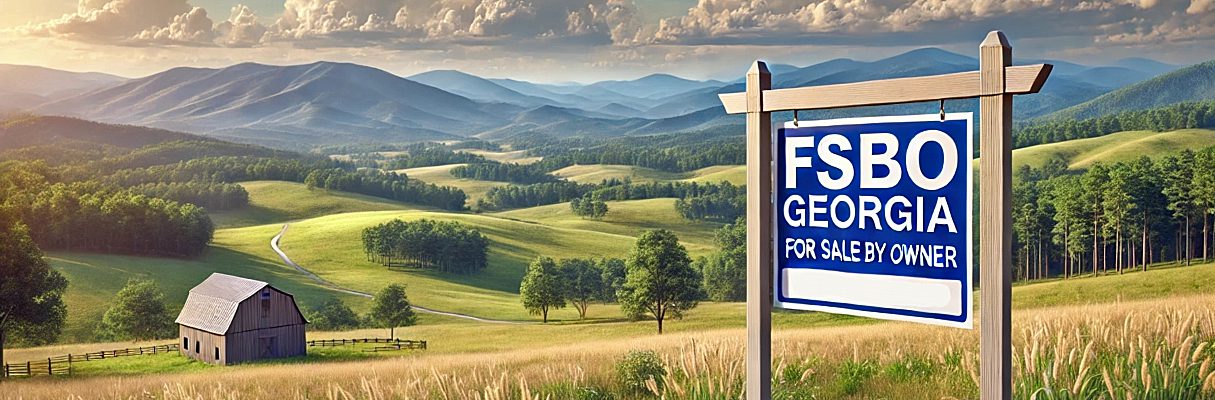
Selling land without a realtor in Georgia is less about skipping steps and more about understanding which responsibilities shift to the property owner. Unlike home sales, vacant land transactions rely heavily on accurate pricing, clear documentation, and direct communication with buyers rather than showings or agent-driven marketing. For landowners exploring an owner-managed approach, knowing how the process typically works helps set realistic expectations before deciding which path makes the most sense.
This article focuses on educational and informational considerations for landowners exploring a sale without a realtor. For owners looking for a direct selling option, see selling land in Georgia.
Why Selling Without a Realtor is Worth It
Let’s get to the good part—what’s in it for you? Well, for starters, you’re keeping more money in your pocket. No realtor commission means more of the sale price goes straight to you. Beyond that, you’re in the driver’s seat. You control how the property is marketed, when to show it, and how to negotiate the sale. And let’s be real, selling land without a realtor often means a faster sale. You can move at your own pace, without waiting for someone else to fit you into their schedule.
Why Skip the Realtor and Sell Land Yourself?
Here’s the thing: selling land is a whole different ballgame than selling a house. You’re not holding open houses and raving about newly renovated kitchens or walk-in closets. It’s land—plain and simple. That makes selling it more straightforward, and without a realtor taking a slice of the pie, it’s a lot more rewarding for you. Plus, in this digital age, marketing and selling property has never been easier.
By taking control, you set the timeline, the price, and the process—without waiting around for someone else to make the decisions for you. It’s just you, your land, and a few smart moves that’ll help get it sold faster than you think.
Step 1: Understanding How Land Is Typically Valued
Before you throw a price tag on your land, it’s time to do some homework. Knowing your property’s value is key. And no, this isn’t the time for wild guesses. You need solid information. Start by checking out recent sales of similar properties in your area. There are plenty of tools out there—Zillow, county property records, and even good ol’ Google searches will help you find what other properties are going for.
When comparing, pay attention to things like acreage, location, and any perks your land might offer, like proximity to roads or access to utilities. No water, no power? That’ll impact the price, but don’t worry, there’s still a buyer out there for it.
Step 2: Get Your Georgia Paperwork Together
Selling land isn’t just about slapping a “For Sale” sign in the yard. You’ve got to have the right documents in order—otherwise, things can get sticky fast. First, you’ll need the deed, which proves you actually own the property. Next, make sure you have a recent survey that clearly shows the boundaries of your land. No one wants a surprise when they discover their dream plot of land is smaller than they thought.
In addition, make sure your taxes are up to date—nothing turns off buyers like finding out there’s a tax lien on the property. And finally, be prepared to disclose any relevant information about the land. If there are zoning restrictions or environmental issues, it’s better to be upfront about them from the start. Transparency saves headaches later.
Step 3: How to Market Your Land Like a Pro
This is where it gets fun. Without a realtor, it’s up to you to get your land in front of the right buyers. Luckily, you don’t need a billboard or a ton of cash to do it. Start by listing your property on popular online platforms like Zillow, LandWatch, or Craigslist. These sites are magnets for buyers looking for land, and the best part? You can do it all from your couch.
Social media is also your friend here. Facebook Marketplace and local buy-and-sell groups can be a goldmine for finding local buyers. You never know who might stumble upon your post and decide your land is exactly what they’ve been looking for. And hey, don’t forget about old-school marketing. If your land is in a spot with decent traffic, putting up a “For Sale” sign could catch the attention of a passing driver with a dream of owning land.
One tip: photos matter. Don’t just snap a quick pic from the side of the road. If you can, get high-quality images or even drone shots that really show off the property. You want potential buyers to see the land’s potential, and great visuals go a long way in helping them imagine it.

Step 4: Negotiating the Georgia Land Sale
Now comes the part that makes most people nervous—negotiating the deal. Don’t worry, it’s not as scary as it sounds. Think of it like a friendly chat where both you and the buyer want to walk away happy. First, know your bottom line. Decide ahead of time the lowest offer you’re willing to accept. This will help you stay calm and collected when the offers start coming in.
When negotiating, keep an open mind but don’t be afraid to stand your ground. Buyers might come in with lowball offers, but that doesn’t mean you have to take them. Be firm, but also flexible enough to find a middle ground that works for both parties. If the buyer seems serious but doesn’t have all the cash upfront, you might even consider offering owner financing. It can make your land more appealing and help close the deal faster.
Watch Out for These Pitfalls
Of course, going solo does come with a few potential pitfalls. First, make sure you check for any zoning restrictions. Buyers need to know what they can and can’t do with the property, and if you don’t check, it could lead to problems down the road. Also, don’t skip over disclosures. If there are issues like environmental concerns or access limitations, be honest about them from the start. It’s much better to be upfront than to deal with unhappy buyers later.
And finally, don’t try to cut corners with the paperwork. Even if you’re doing this without a realtor, you may want to consult a real estate attorney to make sure everything is legit. It’s an investment worth making to avoid any legal messes after the fact.
Feeling Overwhelmed? Here’s an Alternative
Let’s say you’re reading this and thinking, “Wow, this is a lot to handle.” That’s totally fair. If managing the process yourself feels like too much, there are options. You can still sell your land without a traditional realtor by working with a real estate attorney to handle the paperwork or even looking into companies that specialize in buying land directly. While you may not get top dollar this way, it’s a fast and easy way to get your land sold if time is of the essence.
Partnering with Bubba Land for Seamless Land Transactions
Selling land often comes with moving parts that aren’t obvious at first—legal requirements, timing issues, and paperwork that can slow a deal down. Bubba Land focuses exclusively on land, which allows us to simplify the process and remove unnecessary steps that tend to create delays or confusion for property owners.
- No Agent Commissions: Work directly with Bubba Land and avoid paying realtor fees.
- Direct Purchase Model: There’s no need to list the property, market it, or manage showings.
- Fast Cash Closings: Receive a cash offer and close without waiting on bank financing.
- Clear, Predictable Terms: One straightforward agreement without prolonged negotiations.
- Lower Exposure Risk: A quicker sale helps reduce taxes, liability, and property-related issues.
Many landowners start by comparing options and reviewing a list of companies that buy land before deciding how to move forward. Bubba Land is built around transparency, reliability, and clean closings, giving sellers a practical option when certainty and simplicity matter.
Ready to Sell Land without a Realtor?
Selling land in Georgia without a realtor is an empowering process that puts you in control. By following the steps outlined here, you can confidently navigate each stage, from assessing your property’s market value to completing the necessary paperwork and engaging potential buyers. Remember, each land sale is unique, so staying informed about Georgia’s land laws, zoning regulations, and local market trends is key to maximizing your success.
A proactive approach will not only attract buyers but also ensure a smooth transaction from start to finish. Whether you’re looking to close quickly or seeking to make the most of your property’s value, selling on your own is a rewarding path that can save you time, reduce costs, and deliver greater returns. Embrace the opportunity, and soon, you’ll find yourself navigating this process like a seasoned pro!
Frequently Asked Questions (FAQs)

Is Selling Land Without a Realtor Different Than Selling a House?
Yes. Land transactions typically involve fewer showings and less buyer emotion than home sales, but they place more emphasis on pricing accuracy, documentation, and access details. Understanding these differences helps owners decide whether managing the process themselves is a good fit.
What Responsibilities Shift to the Owner Without a Realtor?
Without an agent, the owner is responsible for coordinating paperwork, communicating with buyers, setting terms, and working with a title company or attorney to complete the transfer. Many owners find the process manageable once they understand which steps are involved.
How Is Pricing Typically Determined for Owner-Managed Land Sales?
Pricing is usually based on recent sales of comparable properties, adjusted for factors like acreage, access, utilities, zoning, and location. Some owners also consult public records or seek an appraisal to support their pricing decisions.
What Documents Are Commonly Reviewed in Georgia Land Transactions?
Most transactions involve a deed, property tax records, a purchase agreement, and title-related documents. Depending on the property, surveys, easements, or zoning records may also be reviewed to confirm boundaries and permitted use.
When Do Some Owners Decide Not to Sell Without a Realtor?
Some owners reconsider when timing, complexity, or paperwork feels burdensome, or when they prefer a more hands-off approach. Understanding the full scope of an owner-managed sale helps clarify whether continuing without an agent makes sense.