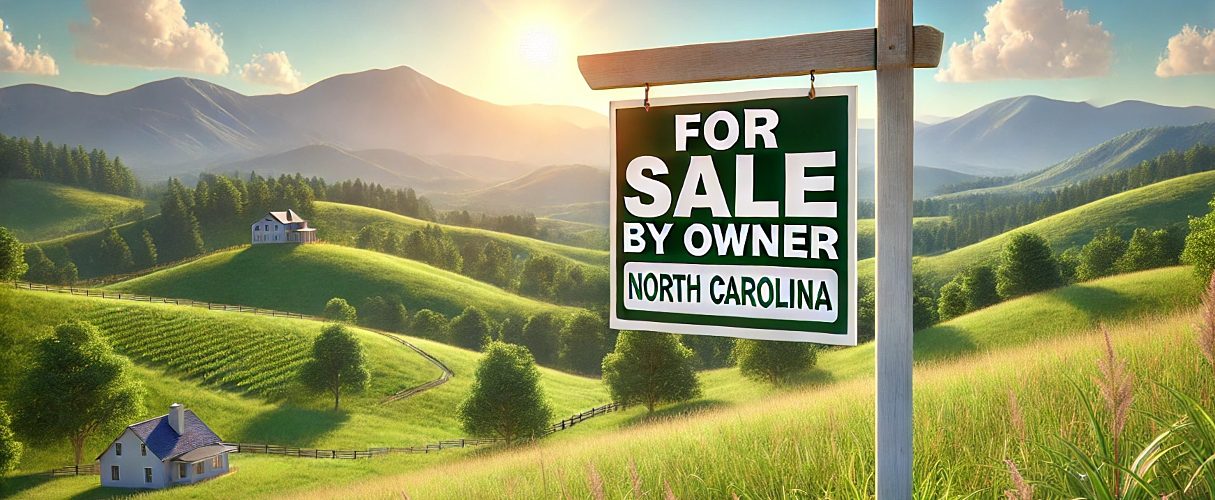
Selling North Carolina land without a real estate agent requires you to manage pricing, marketing, buyer screening, negotiations, and paperwork yourself. With more than $2 billion in land and rural real estate sold annually in the state (IBISWorld), understanding the for-sale-by-owner (FSBO) process is essential. You must weigh actual commission savings against the common hurdles independent sellers face to determine the best approach for your vacant property.
Researching NC Land Values and Preparing FSBO Documents
Understanding the local real estate market is your first step. Look at recent sales of comparable rural properties to establish a realistic baseline for pricing. Pay attention to new commercial or residential developments nearby, as these directly impact pricing.
Having your paperwork prepared in advance proves to potential buyers that you are a serious seller. Gather your deed, title insurance policy, property tax records, and any relevant HOA bylaws. Ordering a fresh property survey is often necessary if the boundary lines are unclear. Complete transparency with these documents builds buyer trust and speeds up the transaction.
If managing this paperwork and market research feels overwhelming, you always have the option to skip the FSBO process entirely and sell your land in North Carolina directly to a cash buyer.
Craft an Irresistible Listing & Market Like a Pro
Your listing description must clearly communicate the facts while highlighting the property’s best attributes. Detail the total acreage, exact zoning classification, and the status of access to utilities. Point out unique features like timber potential, water access, or road frontage. Disclosing known easements or defects upfront is crucial to building trust and avoiding stalled negotiations later.
Marketing an independent land sale requires casting a wide net. List the property on platforms dedicated to vacant acreage, such as Lands of America, alongside general sites like Craigslist and Facebook Marketplace. Networking with local land investors and placing a clear, weather-proof sign on the property are also proven methods to attract serious buyers.
Price Your Land Right
Pricing your land correctly is like seasoning a steak – too much or too little can ruin the whole thing. You’ve done your homework, scoured the market, and now it’s time to set a price that will make buyers bite. It might be tempting to slap on a high price tag, hoping someone will take the bait, but remember that an overpriced property can sit on the market longer than a Thanksgiving turkey. And just like that turkey, the longer it sits, the less appealing it becomes.
Instead, aim for a price that reflects the true market value of your land. To do this, you should analyze comparable sales in the area, taking into account the size, location, and unique features of your property. Don’t just focus on what you want to make; think about what buyers are actually willing to pay. Be prepared to back up your price with solid data, showing potential buyers why your land is worth every penny. And here’s the kicker—stay flexible.
Be Responsive & Facilitate Easy Viewings
Timeliness is crucial in real estate. When a buyer is interested, they want answers – and they want them now. Be available to show the property and answer questions promptly. Quick, clear communication can turn a curious looker into a serious buyer. Think of it as being the best host ever – attentive, responsive, and eager to please.
Make it easy for buyers to see your property. Clear any debris and make the land accessible. A tidy property creates a positive first impression. If possible, be there to point out key features and answer questions. If not, consider installing a lockbox for easy access. Remember, the easier it is for buyers to view the land, the quicker you’ll get an offer.
Negotiate Like a Pro & Handle the Legal Stuff
Negotiation can be a tricky dance. Stay calm and rational, and base your counteroffers on facts, not emotions. Building goodwill with potential buyers can lead to smoother negotiations and a successful sale. It’s like playing a game of chess – think strategically and keep your cool.
While you don’t need an attorney to transfer a deed, having one review your sales documents can save you from future headaches. Services like NetVoucher can help create binding contracts and manage the closing process. Understanding your legal obligations ensures a smooth transaction and protects your interests. Think of it as having a safety net – better safe than sorry.
When you have an accepted offer, it’s time to finalize the sale. Gather all final documents and coordinate with the buyer to ensure both parties are ready for closing. Avoid delays to prevent buyers from walking away. Successfully closing the deal is the grand finale. Celebrate when the new owner takes possession of your North Carolina land – you’ve earned it!
Is Selling Land By Owner a Good Idea?
Selling land yourself can save you thousands in commission fees and give you full control over the sale. You set the price, manage negotiations, and keep the proceeds without sharing a cut with a Realtor. That said, FSBO isn’t hands-off. It requires real time and effort—handling marketing, buyer inquiries, property access, and making sure legal details are handled correctly.
The right choice depends on your situation. If you’re experienced and comfortable managing the process, FSBO can make sense. If not, the risks—pricing mistakes, delays, or legal issues—can outweigh the savings. Think of it as choosing between a DIY project and hiring a professional: both work, but only if they match your time, experience, and tolerance for complexity.
Partnering with Bubba Land for Seamless Land Transactions
Buying or selling land in North Carolina can quickly become more complicated than most owners expect. Zoning rules, access issues, buyer financing delays, and paperwork problems often surface late and stall deals. At Bubba Land, we focus on making land sales clear and predictable by buying directly from owners. Working with a professional land buyer helps North Carolina landowners avoid common pitfalls, eliminate guesswork, and move forward without drawn-out listings or surprises.
- No Realtor Commissions: Sell without paying agent fees or listing expenses.
- No Marketing or Showings: Skip listings, photos, calls, and unqualified buyers.
- Direct Cash Offers: Avoid buyer financing delays and long wait times.
- Simpler Negotiations: Fewer contingencies and less back-and-forth.
- Reduced Holding Risk: Limit exposure to taxes, trespassing, and property damage.
Every land sale is different, and the right path depends on your goals, timeline, and tolerance for complexity. If you’re weighing your options, this reference list of land buying companies in the USA can help you compare how direct land buyers operate and decide what approach makes the most sense for your North Carolina property.
Choosing the Best Path for Your Property Sale
Navigating a for-sale-by-owner transaction requires thorough preparation and persistence. Pricing competitively and executing a strong marketing plan can lead to a profitable sale while saving you from paying real estate agent commissions. You must actively manage every detail of the transaction, from legal paperwork to closing negotiations.
Managing an independent property sale takes considerable time and effort. If you prefer to bypass the marketing phase, buyer screening, and complex paperwork, requesting a direct cash offer provides a much faster solution. We purchase vacant acreage, hunting tracts, and timberland for cash, ensuring a streamlined process from start to finish. Contact us to sell your land in North Carolina today and receive a hassle-free, as-is cash offer.
Frequently Asked Questions (FAQs)

How Do I Determine a Fair Asking Price for Land in North Carolina?
Pricing land in North Carolina usually starts with reviewing recent comparable sales that share similar acreage, zoning, access, and location. Factors like utilities, buildability, and floodplain status can influence value, while county tax assessments often lag behind actual market demand and shouldn’t be relied on alone.
Where Should I List North Carolina Land for Sale by Owner?
Landowners commonly explore platforms where vacant land is actively searched, such as online marketplaces and classified sites. Listings that include clear photos, acreage details, access information, and GPS coordinates tend to generate more qualified interest than vague or incomplete postings.
What Documents Are Typically Needed to Sell Land in North Carolina Without a Realtor?
Most land sales require a valid deed, current tax information, and an accurate legal description of the property. Additional materials like surveys, zoning confirmation, or access documentation can help reduce buyer uncertainty, but requirements vary by transaction.
How Is Closing and Paperwork Usually Handled for FSBO Land Sales in North Carolina?
Closings are commonly facilitated by a North Carolina real estate attorney or title company. These professionals coordinate title searches, prepare transfer documents, record the deed, and handle the exchange of funds to ensure the transaction complies with state requirements.
What Indicates a Serious Land Buyer in North Carolina?
Serious buyers typically ask detailed, property-specific questions and are prepared to verify financial capability early in the process. They tend to reference comparable sales, follow established timelines, and move efficiently through due diligence rather than relying on speculative or unrealistic offers.