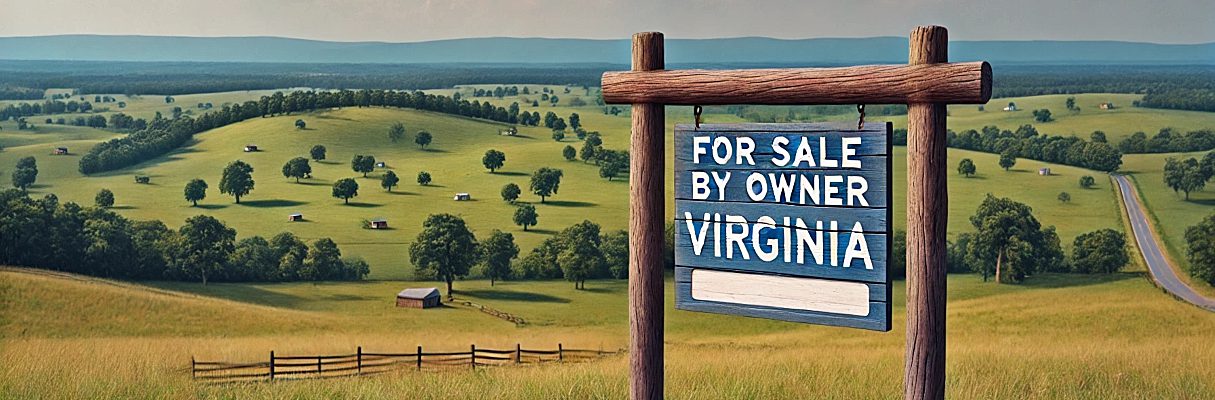
Selling land in Virginia without a realtor is an option many owners explore when researching alternatives to traditional listings. While avoiding commissions can be appealing, selling on your own also means handling pricing, marketing, paperwork, and buyer screening. This route tends to work best for landowners who want to understand the process before deciding which approach fits their situation.
This guide is intended as an educational overview of selling land without an agent, not a step-by-step sales solution. It explains what’s involved, outlines the tradeoffs, and highlights common challenges that come with managing a land sale independently, so you can compare options with clearer expectations.

Understanding the Virginia Land Market
Before you list your land, it’s essential to know what you’re working with. Research the local market to figure out where your property stands. Look up land values in your county—are they trending up or down? You’ll want to check sites like Zillow, LandWatch, or even local county assessor records to get a sense of recent land sales. Look for land that’s similar in size, location, and features to yours.
Keep in mind, rural land in Virginia—think Shenandoah Valley or near the Blue Ridge Mountains—could attract different buyers than land closer to cities like Richmond or Norfolk. Pay attention to these nuances to avoid pricing too high or low.
Legal Documentation & Ownership Check
No matter how eager you are to sell, the paperwork matters. Before you even think about listing your property, confirm that you have a clear title and all the necessary documentation. This includes any surveys, deeds, or easements related to your land.
If your property is landlocked (i.e., no road access), or if there are disputes over boundary lines, handle these issues upfront. These are the kinds of things that can kill a deal later on if left unresolved. You may need to work with a real estate attorney to iron out any wrinkles. The last thing you want is for a buyer to get cold feet at the final hour because of a legal hiccup.
How to Market Your Virginia Land Like a Pro
Now for the fun part: marketing! Forget old-school “For Sale” signs or hoping word-of-mouth does the trick. You’ll want to reach as many eyes as possible, and thankfully, we live in the digital age. List your land on websites like Zillow, Craigslist, and LandWatch, but don’t stop there. Use social media platforms like Facebook Marketplace or Instagram to post pictures and videos of the property.
Speaking of media, drone footage is a game-changer. If your land has stunning views or unique features like ponds or streams, invest in a drone video. Aerial footage lets potential buyers see the property’s full scope and beauty—something that’s hard to capture in ground-level photos.
Also, write up a killer description. Go beyond “10 acres of land for sale” and paint a picture. Talk about the proximity to hiking trails, nearby rivers, or even potential for farming or hunting. You’re not just selling land—you’re selling a dream.

Handling Negotiations Like a Seasoned Pro
You’ve got interested buyers—great! Now comes the tricky part: negotiation. Stay firm on your price but be open to reasonable offers. If your land’s been sitting on the market for a while, you might need to be flexible with terms.
Ask the right questions to figure out whether the buyer is serious. Will they be paying in cash? Are they looking for owner financing? If so, what’s their credit situation like? Owner financing can attract more buyers, but it also comes with its risks. Always consider whether the buyer can follow through before agreeing to any terms.
Partnering with Bubba Land for Seamless Land Transactions
Buying or selling land can be overwhelming, with complex legal processes and piles of paperwork. At Bubba Land, we know your time is valuable, so we make land transactions smooth and stress-free. By partnering with us, you can avoid common pitfalls and costly mistakes that often come with managing land deals on your own.
- No Realtor Commissions: Sell directly to Bubba Land and keep more of your proceeds.
- No Marketing or Showings: We make direct offers—no listings, ads, or walkthroughs.
- Fast Cash Offers: Get paid quickly without waiting months for a buyer.
- Simple Negotiations: Clear terms with minimal back-and-forth.
- Lower Selling Risk: A faster sale reduces exposure to taxes, liability, and trespassing.
In the land business, it’s crucial to work with a company that has a solid track record and prioritizes integrity. At Bubba Land, we’re dedicated to providing a seamless, hassle-free experience. Whether you’re selling for fast cash or navigating a complex land purchase, we’re here to help.
Ready to Sell Virginia Land without a Realtor?
Selling your Virginia land without a realtor gives you direct control over the entire process, saving you on commission fees and letting you manage the sale on your own terms. With thorough market research, careful land preparation, and effective marketing strategies—such as high-quality drone footage and targeted online listings—you can attract the right buyers and make your property stand out. By addressing any legal concerns from the start and working with a real estate attorney, you can ensure a smooth transaction that avoids last-minute issues. Taking the For Sale By Owner (FSBO) route allows you to sell efficiently, keep more of your profits, and experience the satisfaction of managing the sale independently.
FAQs: Sell Virginia Land without a Realtor
How Long Does It Take to Sell Land in Virginia Without a Realtor?
Selling land in Virginia often takes longer than selling a home, particularly for rural or undeveloped property. The timeline depends on factors like location, demand, access, and pricing. In many cases, it can take several months to find the right buyer, though pricing the land competitively or working with a cash buyer can significantly shorten the process.
Do I Need a Real Estate Attorney to Sell Land in Virginia?
Virginia does not require a real estate attorney to sell land, but many sellers choose to work with one or use a title company to manage contracts and closing. Having professional support helps ensure documents are prepared correctly and can reduce the risk of delays or legal issues during the sale.
What Paperwork Is Required to Sell Land in Virginia?
Most Virginia land sales require a valid deed, a signed purchase agreement, and standard closing documents. A recent survey can be helpful but is not always required. In most cases, a title company handles the title search and closing paperwork, simplifying the process for the seller.
Who Pays Closing Costs When Selling Land in Virginia?
Closing costs in Virginia are negotiable and can be paid by the buyer, the seller, or split between both parties. Costs may include title insurance, recording fees, and settlement charges. In some transactions, cash buyers may cover most or all closing costs to keep the sale moving quickly.
What Taxes Apply When Selling Land in Virginia?
Profits from selling land may be subject to capital gains tax. Federal taxes typically apply, and Virginia also assesses a state income tax. The exact amount depends on how long the property was owned and the seller’s overall tax situation, so consulting a tax professional is often advisable.