
How to Subdivide Land in Wisconsin: A Complete Guide
Thinking about subdividing land in Wisconsin? Whether you’re planning to sell a portion of your acreage or create smaller buildable lots, the process involves close coordination with county planning departments, zoning boards, and local permitting authorities. In most Wisconsin counties, you’ll need to ensure road frontage, legal access, and utility or septic feasibility for each new parcel before approval.
Wisconsin has approximately 34.8 million acres of land, and rural tracts that already meet zoning and access requirements usually move through subdivision more efficiently—while parcels near metro areas like Milwaukee or Madison often face stricter frontage and infrastructure standards. Getting familiar with your county’s land division rules early can help reduce costs, save time, and increase your property’s overall value.

What Does It Mean to Subdivide Land in WI?
In Wisconsin, subdividing land means taking a larger property and dividing it into smaller, legally recognized parcels that can be sold, developed, or transferred individually. The process is regulated by local zoning ordinances and county subdivision codes to ensure each new lot meets minimum standards for size, access, and utilities.
Counties such as Dane, Waukesha, and Brown—and cities like Milwaukee, Madison, and Green Bay—require survey plats to be reviewed and approved by their planning and zoning departments before they can be recorded. These local agencies confirm that each parcel has legal road access, complies with zoning and health requirements, and aligns with community development plans. Once recorded, each new lot becomes an independent property that can be sold or built on anywhere in Wisconsin.
Benefits of Subdividing Land in Wisconsin
Dividing your acreage in Wisconsin presents a smart opportunity to boost value and broaden your options—whether you’re creating home lots, selling off a portion, or planning long-term growth. According to recent analysis, Wisconsin’s average agricultural land sale value hit about $6,363 per acre in 2024, reflecting a steady upward trend in well-located properties.
If navigating zoning, survey work, well/septic preparations, and access requirements feels overwhelming, you could always sell your land in Wisconsin instead. But for those ready to divide and develop, here are some of the key advantages subdivision can deliver:
Increased Property Value
Smaller, well-designed lots tend to sell faster and can command higher per-acre pricing than one large tract. With the state average at roughly $6,300 per acre, splitting strategically can unlock stronger returns.
Flexibility in Land Use
Subdividing gives you the freedom to keep part of your land for farming, recreation, or future investment, while selling other parcels now—allowing you to balance short-term gain with long-term ownership.
Access to a Wider Buyer Pool
Land prices in Wisconsin vary widely—while the state average sits near $6,300 per acre, specific parcels near metro regions or with desirable attributes can sell for well over $10,000. Offering smaller, more affordable lots helps you tap into homeowners, local developers, and investors instead of limiting yourself to one large buyer.
Improved Liquidity & Profit Potential
Selling multiple smaller lots rather than one large parcel can shorten your selling timeline, reduce the risk of holding costs, and open up the opportunity for higher overall profit. If your location and infrastructure support subdivision, it can give you faster flexibility and stronger returns.
Key Requirements for Subdividing Land in Wisconsin
Dividing a tract in Wisconsin involves more than redrawing boundaries — it requires adherence to state statute and local land-division or subdivision regulations. Most counties require the preparation and approval of a Certified Survey Map (CSM) or subdivision plat under Wis. Stat. § 236.45, and local zoning, access, and utility or septic rules play a major role in approval.
Local Zoning & Plat Approval
Wisconsin municipalities and counties—such as Dane County, Brown County, and Lincoln County—review CSMs or full subdivision plats through their planning or land-services offices. These bodies verify that access, lot layout, and utility or septic infrastructure meet local standards. More detailed guidance is available via the state’s plat review publications and county planning resources.
Minimum Lot Sizes & Local Variance
The state doesn’t set a single minimum lot size for every area—local zoning and health boards set their own based on utility access. For example, in shoreline zones lots not serviced by public sewer must meet standards under NR 115.05(1)(d), which influence minimum lot area and frontage.
Road Access, Utilities & Infrastructure
Every new parcel must have legal road frontage or an approved access easement, and adequate utility or septic service must be demonstrated before final approval and recording. Many counties also require drainage plans or utility easement documentation when dividing or platting land.
Limits on Number of Lots & Density
Local units often differentiate between minor divisions (creating up to four lots/separate parcels) and full subdivision plats (five or more lots) under state statute and local ordinance. The review, engineering, and infrastructure demands increase significantly once you cross that threshold.
Agency Reviews & Recording Requirements
Once a local planning or zoning department approves the map or plat, it must be recorded with the county register of deeds. The process may involve review by multiple agencies (survey, health, road, utilities) and must comply with survey standards under Wis. Stat. § 236.34 before the new parcels become legally recognized and marketable.
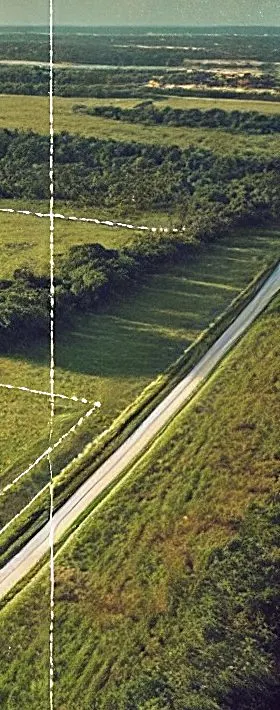
Steps to Subdivide Land in Wisconsin
Dividing a tract in Wisconsin involves more than redrawing boundaries — it requires adherence to state statute and local land-division regulations. Most counties require the preparation and approval of a Certified Survey Map (CSM) or subdivision plat under Wis. Stat. § 236.45, and local zoning, access, and utility or septic rules play a major role in approval.
1. Pre-Application Planning
Start by meeting with your county or town planning or zoning department (for example in Dane, Brown or Waukesha Counties) to review local lot size minimums, road frontage requirements, whether the parcel falls under a CSM or full subdivision process, and any associated fees or sketch-plan needs.
2. Confirm Zoning & Access Requirements
Every new lot must comply with zoning standards for frontage, width and intended use. If a new access easement, private road or utility connection is needed, this must be reviewed and approved by your local road or town board and utility authority before final submission.
3. Hire a Licensed Wisconsin Surveyor
Work with a Wisconsin-licensed professional land surveyor to produce a CSM or plat that shows existing and proposed parcel lines, easements, monuments and improvements in accordance with Wis. Stat. § 236.34. This document becomes part of your application for approval.
4. Submit Application & Pay Fees
Submit your completed map or plat, application, fees and any required supporting documents to the county planning agency. Some counties publish clear checklists—such as a CSM submission guide—so you know exactly what’s required and can anticipate a review timeline of several weeks to a few months.
5. Address Infrastructure & Health Compliance
If the lot will rely on private wells or septic, or is near floodplain or environmentally sensitive areas, you may need soil testing, drainage plans, or utility extensions. Many counties require bonding or proof of improvements before final approval.
6. Final Approval & Record New Parcels
Once all conditions are satisfied, the approved CSM or plat must be signed by all required authorities and recorded with the county register of deeds. Recording officially establishes each lot as a separate legal parcel ready for sale or development.
Costs Involved in Subdividing Land in Wisconsin
Subdividing land in Wisconsin can unlock significant value — but it comes with upfront costs that depend on location, terrain, zoning, and infrastructure requirements. Whether your parcel is near Milwaukee, Madison, or in a rural northern county, budgeting for surveying, legal work, utilities, and approval fees ahead of time helps protect your return.
Surveyor Fees
A typical boundary or plat survey in Wisconsin for smaller parcels starts around $1,000 to $3,000+, depending on complexity, terrain, number of lots, and required documentation. Basic surveys for small lots may cost less, but subdivision-scale work demands greater detail and accuracy.
Legal & Professional Fees
Legal, engineering, and planning services—covering zoning reviews, plat preparation, and coordination with local boards—commonly range from $2,000 to $6,000, increasing if rezoning, soils testing, or utility extensions are required.
Utility & Infrastructure Costs
Improvement work—such as driveway access, private septic or well systems, road frontage upgrades, and utility hookups—typically runs between $10,000 and $50,000+ depending on parcel size, terrain, and proximity to existing utilities.
Approval & Application Fees
County application, plat-review, and recording fees generally range from $300 to $600+, though costs vary depending on the county and the number of lots being created.
Total Estimated Costs of Subdividing in Wisconsin
| Expense Category | Typical Cost Range (USD) | Notes |
|---|---|---|
| Surveyor Fees | $1,000 – $3,000+ | Certified Survey Map or plat survey; higher for large or irregular tracts. |
| Legal & Professional Fees | $2,000 – $6,000 | Attorney, engineer, and planner services for zoning and compliance. |
| Utility & Infrastructure Costs | $10,000 – $50,000+ | Water, sewer, electrical, and access improvements; varies by site. |
| Approval & Application Fees | $300 – $600+ | County filing, review, and recording fees. |
| Total Estimated Range | $13,000 – $60,000+ | Varies by acreage, terrain, and county regulations. |

Common Challenges in Subdividing Land in Wisconsin
Turning a sizable parcel into multiple build-ready lots in Wisconsin offers serious upside — but even straightforward divisions can run into challenges. Understanding the common roadblocks ahead of time can help you avoid costly delays or unexpected expenses.
Zoning & Lot Size Restrictions
Local zoning and subdivision regulations in Wisconsin vary widely by county and town. Some areas may require a rezoning or variance before converting agricultural or forest land into residential lots. In rural and shoreland zones, parcels not served by public sewer must also meet minimum lot width and area standards set by local ordinance. For example, Dane and Waukesha Counties often apply stricter frontage and acreage rules for septic-supported lots.
Access & Infrastructure Limitations
Each new lot must have legal access—either through public road frontage or a recorded easement—and adequate utility or septic/well service. Missing frontage or poorly defined access is one of the most common reasons for application delays. Extending utilities, installing culverts, or upgrading shared drives can also add unexpected costs and review time.
Environmental & Soil Regulations
Soil quality, slope, and drainage play a major role in subdivision approval. Lots relying on private septic systems typically require percolation and soil tests to confirm drain field suitability. Parcels located near wetlands, floodplains, or steep terrain may trigger additional environmental reviews by county conservation departments or the Wisconsin Department of Natural Resources.
Approval Timelines & Multi-Agency Review
Even smaller land divisions can involve several levels of review—including town or county planning, zoning, health, and road departments. While a basic Certified Survey Map (CSM) may take 4–8 weeks to process, larger subdivisions that require new roads or infrastructure improvements can take several months or more.
Public or Neighbor Concerns
Even if your project meets all technical standards, nearby landowners may raise concerns about traffic, drainage, or changes to the area’s character. Sharing your proposed layout early and addressing feedback through planning meetings can help reduce opposition and prevent appeals that slow your subdivision’s approval.
Skip the Hassle: Sell Your Land to Bubba Land Company
Let’s be honest—subdividing land is a complicated, time-consuming process. From navigating zoning laws to paying costly fees for surveys and permits, the hurdles just keep coming. Not to mention, once your land is subdivided, you still have to market each lot, deal with potential buyers, and hope for a smooth closing. Sounds exhausting, right?
Why not skip all that and sell your land directly to Bubba Land Company? Here’s why working with us is a better option:
- No Costly Fees: When you sell to Bubba Land, you avoid all the Realtor fees, closing costs, and survey fees involved in subdividing. Keep more cash in your pocket instead of paying for legal and engineering services.
- Fast & Simple Process: Subdividing can take 6-12 months or longer, while selling to us takes a fraction of the time. We make direct offers and close quickly, so you can avoid months of waiting and uncertainty.
- Immediate Cash Offers: Why wait for multiple buyers when you can get a cash offer right now? Forget about the hassle of listing your land or showing it to buyers—we’ll take care of everything.
- Avoid Legal Pitfalls: The subdivision process involves zoning laws, environmental regulations, and even public hearings. Instead of getting bogged down in legal paperwork, sell to Bubba Land and let us handle the complexities.
- Sell As-Is: Whether your land is undeveloped, in a rural area, or comes with issues like utility access, we’ll buy it as-is. No need to spend money or time on costly improvements.
At Bubba Land Company, we specialize in providing a seamless, stress-free experience for landowners like you. Don’t spend months dealing with the complexities of subdividing land—sell directly to us and move on with your life faster. We’re here to give you a fair, straightforward offer without the headaches.
Conclusion on Subdividing Land in Wisconsin
Wisconsin’s rural acreage, farmland, and lakeshore properties continue to attract strong interest from buyers and investors across the state. From creating new homesites to improving resale potential, subdivision can help landowners turn larger tracts into more versatile and marketable parcels. However, each project requires careful attention to local zoning, access, and infrastructure requirements to ensure a smooth and profitable outcome.
If you’d prefer to avoid the surveys, applications, and lengthy approval process, Bubba Land Company in Wisconsin offers a faster, stress-free option. We buy land directly across Wisconsin—from wooded acreage in the north to residential lots near Milwaukee, Madison, and Green Bay—allowing you to turn your property into cash without the wait. Whether you choose to develop or sell as-is, understanding your options helps you get the most from your Wisconsin land.
Frequently Asked Questions (FAQs)
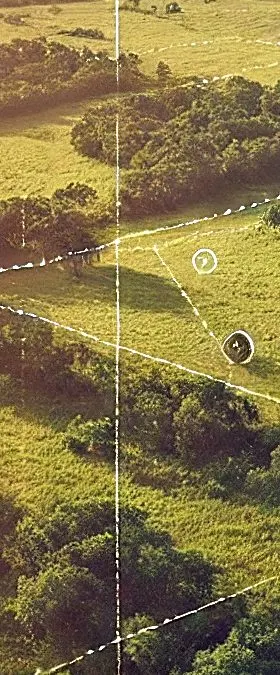
How much does it cost to subdivide a piece of land?
In Wisconsin, subdivision costs usually range from $13,000 to $60,000+, depending on the property’s location, size, and infrastructure needs. Surveying, engineering, and utility work are typically the biggest expenses. Rural parcels without public utilities tend to be less expensive to divide than suburban or lakefront tracts that require road or sewer extensions.
How much is 1 acre of land worth in Wisconsin?
As of 2025, Wisconsin’s average agricultural land value is roughly $6,300 per acre, while parcels near urban or lakeshore areas can sell for far more due to demand and development potential. Land close to Milwaukee, Madison, and Green Bay often commands premium prices when utilities and road access are already established.
Is it worth it to subdivide land?
Yes—subdividing can increase your property’s overall value by offering smaller, more affordable lots to a broader range of buyers. While upfront costs and time are involved, a well-planned subdivision can yield a strong return, especially in growing areas with steady housing demand.
What is the process of subdividing?
Start by contacting your county or town planning office to confirm zoning, access, and lot-size requirements. A licensed Wisconsin surveyor then prepares a Certified Survey Map or plat showing new lot boundaries. Once reviewed and approved by local officials, the recorded map legally establishes the new parcels for sale or development.
Can Bubba Land buy my land instead of me subdividing it?
Yes. If you’d prefer to skip the cost and paperwork involved with subdivision, Bubba Land Company in Wisconsin buys vacant land directly across the state—from farmland to residential and wooded acreage—offering a simple, fast, and hassle-free way to sell.