Louisiana Fence Laws: Everything You Need to Know
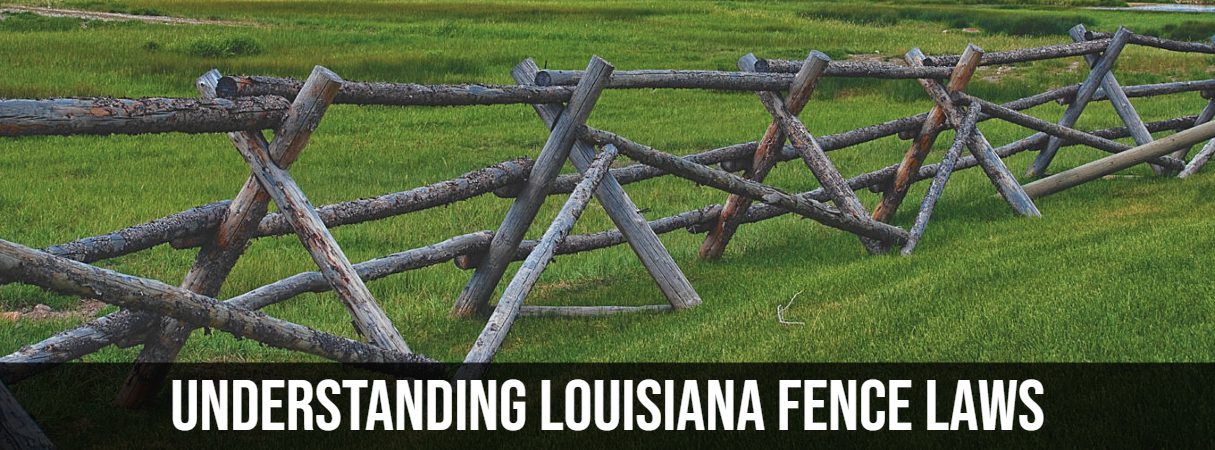
Overview of Louisiana Fence Laws
So, you’re thinking about putting up a fence in Louisiana? Whether you’re trying to keep the neighbor’s curious dog out of your vegetable garden or just looking for a little peace and privacy, building a fence seems simple enough, right? Well, not so fast. While a good fence may make good neighbors, the wrong fence—or worse, putting it in the wrong place—could make for a courtroom drama quicker than you can say “property dispute.”
In Louisiana, fences are not just a matter of personal preference; they come with a set of legal obligations that can vary from one parish to another. For instance, did you know that if you and your neighbor share a boundary fence, you’re both responsible for splitting the cost of repairs? That’s right! But the fun doesn’t stop there. There are also height limits to consider, material restrictions, and even local ordinances that dictate just how close you can get to that property line before you’re risking a neighborhood feud.
And it doesn’t matter if you’re way out in the bayou or nestled in a cozy subdivision; the rules change depending on where you live. In some areas, you’ll need a permit for anything taller than six feet, and don’t even think about installing that towering privacy fence in the front yard—municipalities often cap those at just four feet for safety and visibility reasons.
Understanding Louisiana’s Fence Laws
Fences: They keep the good in and the bad out, but in Louisiana, they also come with a few rules. Whether it’s ensuring you’re on the right side of a property line or staying within height limits, there’s more to consider than just aesthetics. So, what exactly are you signing up for when you put up that dream privacy barrier? Here’s the lowdown to help you avoid disputes with neighbors and keep everything by the book—without sacrificing your curb appeal.
What Is Considered a Legal Fence in Louisiana?
In Louisiana, a “legal” fence doesn’t mean it needs to have its own lawyer. It simply refers to the standards set for fence construction. The materials, height, and location of the fence matter. Most residential areas allow fences up to a certain height, but you’re going to want to double-check with local regulations because different parishes may have slightly different rules. Also, fences shouldn’t block public easements or utilities—so no hiding the water meter behind your latest DIY project!
Property Line Disputes & Fence Placement
Oh, the infamous property line disputes. You don’t want to accidentally fence in your neighbor’s beloved azalea bushes. To avoid becoming the talk of the block (for all the wrong reasons), make sure you’re 100% clear on where your property line lies before building. If you’re unsure, get a survey done—otherwise, you could be taking down that shiny new fence faster than you put it up.
Shared Fences: Who Pays for It?
So, you and your neighbor both agree on a fence—yay! But then comes the awkward “who’s footing the bill?” conversation. Louisiana law states that neighbors can share the cost of a fence that benefits both parties, but here’s the kicker: the fence needs to be on the property line, and both neighbors have to agree. It’s all about teamwork, folks!
Louisiana Fence Height Regulations
You might want to build the next Great Wall of Louisiana to keep the neighbors’ barking dogs at bay, but the law says otherwise. Fence height is regulated based on where you live and what kind of land you own. In most residential areas, front yard fences are capped at 3-4 feet, while backyard and side fences can go up to 6-8 feet, depending on local ordinances.
Who Enforces Louisiana Fence Laws?
Your local government is the one keeping tabs on whether that fence of yours is on the up and up. Zoning officers, building inspectors, and sometimes even your friendly neighborhood homeowners’ association are responsible for ensuring that your fence is within legal boundaries.
Penalties for Non-Compliant Fences
Fines for breaking fence laws can range from a slap on the wrist to a pretty hefty sum, depending on how bad the violation is. Plus, if you’re unlucky enough to have a neighbor who likes to keep score, they could take you to court. Not exactly how you want to spend your Saturday, right?
Special Considerations for Historical Districts or HOAs
Louisiana is known for its rich history and beautiful old architecture, and if you’re lucky enough to live in a historical district, you’ll need to follow a few more rules. Your fence may need to meet specific design, material, or color requirements to preserve the area’s aesthetic charm. And let’s not forget about the HOA—they’re always watching. HOAs often have their own set of rules that go above and beyond local ordinances, regulating everything from fence height to materials, and they’re not shy about enforcing them.
Historical District Regulations
In historical areas, you can’t just throw up any old fence. The design, materials, and even color might be regulated to keep the charm of the area intact. Think twice before installing that neon-green vinyl fence—it might not get the stamp of approval from the historical preservation office.
HOA Rules for Fencing
If you’re part of a Homeowners Association, you probably already know they can be pretty particular. Your HOA might require you to submit your fence plans for approval and could restrict the types of materials or heights you can use. Better check before you start digging!
Neighbor Disputes & Louisiana Fence Laws
Even in Louisiana, where folks are generally as friendly as they come, fences can stir up some neighborly drama. Disputes over property lines, fence height, or even who foots the bill for repairs are more common than you’d think. Fortunately, the law’s got your back (most of the time). In fact, Louisiana law presumes that a fence on a boundary is a shared responsibility, meaning both neighbors may be required to split the costs of repairs or construction. But, if a neighbor builds on your property without permission, you have every right to demand that the fence be moved—before things escalate from a friendly chat to a legal battle.
Mediation for Fence Disputes
When things go south, and I don’t mean geographically, Louisiana encourages neighbors to settle disputes outside of court. That means putting on your best poker face and talking things out. If that doesn’t work, you can try mediation—a friendly way to keep both sides happy without dragging the judge into your backyard battle.
What Happens if a Neighbor Builds on Your Property Line?
So, your neighbor got a little overzealous and built half their fence on your property? Don’t sweat it just yet. Louisiana law gives you the right to demand that the fence be moved. It’s all about keeping your boundaries—literally. If things escalate, you can take the issue to court, but hopefully, a friendly chat will solve things.
Louisiana Fence Law Enforcement & Penalties
You might think no one’s keeping an eye on your fence construction, but you’d be wrong. Louisiana doesn’t mess around when it comes to enforcement. Stay within the law, or you could face some not-so-pleasant consequences. Local zoning officials or homeowners’ associations can issue fines if your fence violates height restrictions, encroaches on a neighbor’s property, or blocks important utilities. In some cases, non-compliance could result in legal action or being forced to tear down your fence entirely. So, before you start building, make sure your fence is up to code to avoid any unwelcome surprises down the line.
Who Enforces Louisiana Fence Laws?
Your local government is the one keeping tabs on whether that fence of yours is on the up and up. Zoning officers, building inspectors, and sometimes even your friendly neighborhood homeowners’ association are responsible for ensuring that your fence is within legal boundaries.
Penalties for Non-Compliant Fences
Fines for breaking fence laws can range from a slap on the wrist to a pretty hefty sum, depending on how bad the violation is. Plus, if you’re unlucky enough to have a neighbor who likes to keep score, they could take you to court. Not exactly how you want to spend your Saturday, right?
Final Thoughts on Louisiana Fence Laws
Putting up a fence in Louisiana isn’t rocket science, but it does require you to navigate a few legal hurdles. Whether you’re avoiding a heated standoff with your neighbor or simply staying on the right side of the law, understanding Louisiana’s fence regulations can save you from a mountain of headaches (and potentially, a courtroom). From height restrictions to shared responsibilities, a little planning goes a long way. Now that you’re armed with the knowledge to avoid common pitfalls, you can confidently start digging—just be sure your fence doesn’t wander into your neighbor’s backyard, unless you’re looking to share more than just friendly waves!
Frequently Asked Questions (FAQs)
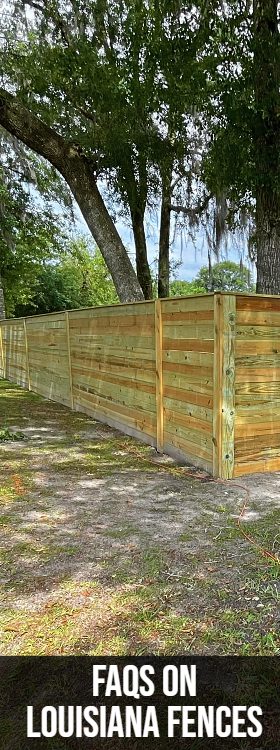
1. Can I Build a Fence on My Property Line in Louisiana?
Yes, you can build a fence on your property line in Louisiana. However, it will be considered a “common fence,” meaning both you and your neighbor share responsibility for maintenance. You may also need to split the costs of repairs, but only if both properties are enclosed by the fence.
2. What Is the Maximum Fence Height Allowed in Louisiana?
In most areas of Louisiana, front yard fences are limited to 3-4 feet in height to maintain visibility. Backyard and side fences can reach 6-8 feet, depending on local zoning laws. If you need something taller, you’ll likely need to apply for a variance with your local municipality.
3. Do I Need a Permit to Build a Fence in Louisiana?
It depends on your location. Some municipalities in Louisiana require a permit if your fence exceeds 6 feet or if you’re using certain materials. It’s always a good idea to check with your local building department to avoid any issues.
4. Who Is Responsible for the Cost of a Shared Fence?
In Louisiana, if a fence is built along a shared property line, it’s considered a common fence. Both neighbors are generally responsible for the cost of repairs and maintenance. However, if only one property is enclosed by the fence, the other neighbor is not obligated to contribute financially.
5. What Can I Do If My Neighbor Builds a Fence on My Property?
If your neighbor builds a fence that crosses onto your property, you have the right to ask them to move it. If they refuse, you may need to take legal action. It’s a good idea to have a survey done to confirm property lines before any construction begins to avoid this issue.