North Carolina Fence Laws: The #1 Guide for NC Fences
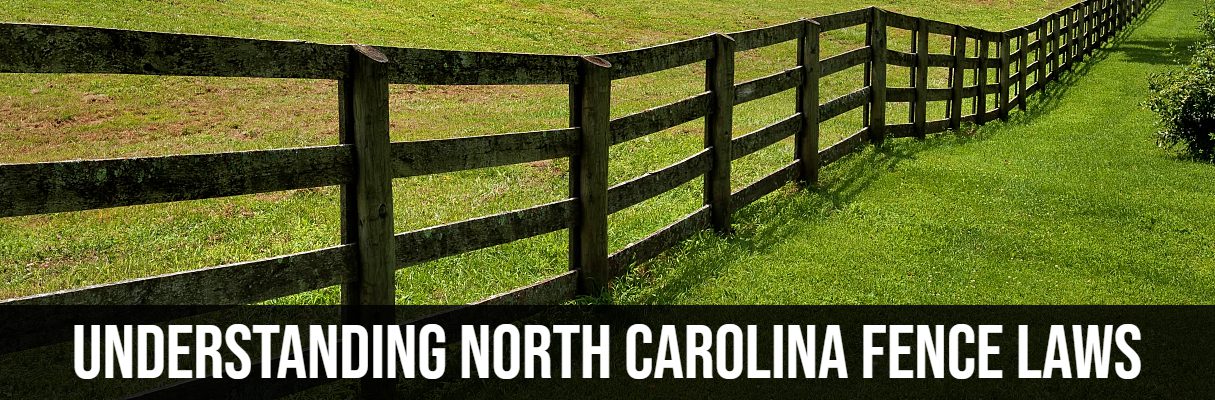
Overview of North Carolina Fence Laws
If you’ve ever caught yourself daydreaming about erecting a mighty fence in your backyard, you’re not alone. Whether you’re trying to keep the deer out, the dogs in, or simply carve out a little slice of privacy, understanding North Carolina’s fence laws is as important as picking the right fence material. So, grab a cup of coffee (or something stronger) and let’s break down the ins and outs of building that dream fence without ending up in a legal bind.
Before you start digging post holes, it’s good to have a handle on what North Carolina law says about fences. The state has a few basic rules that every property owner should know. We’re talking about things like where you can put your fence, how tall it can be, and what materials are allowed. While the law isn’t exactly as flexible as a roll of plastic film, it’s straightforward enough to keep you out of trouble.
Property Line Fencing: What You Need to Know
Ah, the infamous property line—the imaginary boundary that keeps neighborly love from turning into a full-blown turf war. In North Carolina, placing a fence right on the property line is a common practice, but it’s one that requires some careful consideration. First off, know where that line is. Getting a survey done might cost you a bit, but it’s a small price to pay for avoiding a spat that could make Thanksgiving dinner at the neighbor’s house awkward for years to come.
Fence Placement & Neighbor Agreements
Now, once you’ve pinpointed that elusive boundary, the next step is chatting with your neighbor. Sure, it’s not a conversation you’d typically look forward to, but coming to an agreement can save everyone a lot of headaches—and possibly some court costs. A handshake might seal the deal, but getting it in writing is like adding an extra layer of security to your flexible packaging: it’s just smart.
Understanding the “Spite Fence” Law in North Carolina
We’ve all heard the phrase “good fences make good neighbors,” but what if that fence was built out of pure spite? Enter the “spite fence” law—a nifty little rule that says you can’t just erect a fence to annoy your neighbor. In North Carolina, if a fence is deemed to be built out of malice, the courts might order it to be removed faster than you can say “lawsuit.” So, if you’re thinking about putting up an eyesore just to make a point, it might be time to reconsider.
Fence Height & Material Regulations
So, you’re ready to build. But before you go constructing a towering wall to rival the Great Wall of China, you need to know the rules about height and materials. North Carolina is a bit like the packaging industry in that there are rules and regulations for everything. But don’t worry, you won’t need a law degree to figure it out.
Residential Fence Height Limits
When it comes to residential properties, most fences are capped at about 6 feet in the backyard and 4 feet in the front. Think of it as the standard gauge—like the thickness of a stand-up pouch—giving you enough height for privacy without blocking out the sun entirely. But, always double-check with your local zoning office because these limits can vary depending on where you live.
Approved Fence Materials
As for materials, the options are almost as diverse as the types of flexible packaging out there. Wood, vinyl, metal—whatever suits your style and budget. But be mindful that some homeowners associations might have a say in what’s a go and what’s a no. So, before you go wild with that wrought iron masterpiece, it’s worth checking in with the powers that be.
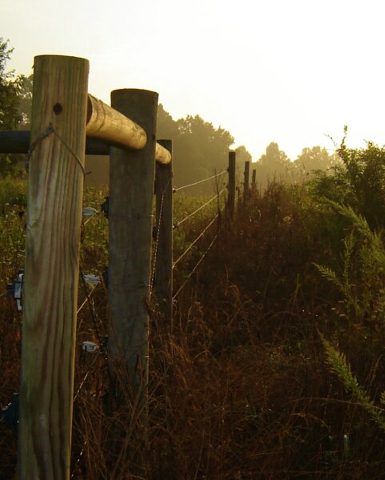
North Carolina Fence Laws for Agricultural Land
If you’ve got a patch of land that’s more farm than lawn, the rules shift a bit. Fencing for agricultural purposes is a whole different ball game. Whether you’re trying to keep livestock in or wildlife out, the regulations are designed to protect your property while also considering the animals’ well-being. It’s like choosing the right packaging for a product—it’s about finding that perfect balance between form and function.
Resolving Fence Disputes with Neighbors
Even with all the best intentions, fence disputes happen. Maybe your neighbor doesn’t love the look of your new fence, or perhaps there’s a disagreement about where it’s placed. Whatever the issue, the first step is always to talk it out. But if that doesn’t work, mediation is a great option. Think of it as the packaging of conflict resolution: it keeps everything neat, tidy, and under control.
Mediation & Legal Recourse
If a friendly chat doesn’t cut it, mediation might be the way to go. It’s less formal than a courtroom battle and gives both parties a chance to air their grievances without breaking the bank. But if things get heated, legal action is always the last resort. Remember, the goal here is to keep the peace—because a fence might separate properties, but it doesn’t have to divide neighbors.
How to Get a Fence Permit in North Carolina
Before you start construction, don’t forget to get your paperwork in order. Depending on where you live in North Carolina, you might need a permit to build that fence. The process is usually pretty straightforward: fill out a form, pay a fee, and wait for the green light. It’s kind of like getting approval for custom packaging—dotting the i’s and crossing the t’s so everything runs smoothly.
Conclusion: Staying Compliant with North Carolina Fence Laws
Building a fence in North Carolina doesn’t have to be a headache, but it does require some thoughtful planning and a bit of neighborly diplomacy. The key to a smooth fence-building experience lies in understanding the local regulations and embracing open communication with your neighbors. Think of it as a small investment of time and effort that pays off in the long run—both in legal peace of mind and in maintaining good relationships.
Knowledge is your best tool here. Whether it’s understanding the specific height restrictions for your area, knowing what materials are permitted, or simply recognizing the importance of placing your fence on the correct side of the property line, being informed will help you avoid any potential legal hurdles. A well-constructed fence doesn’t just mark your territory; it enhances your property’s appeal and provides that coveted sense of privacy and security.
But don’t stop at the legalities—consider the practical and aesthetic aspects as well. A fence can be as much a part of your home’s character as the paint on the walls. So, choose your materials wisely, taking into account durability and style. And remember, working out the finer details with your neighbors before you break ground can save you from disputes later on. A friendly conversation and a written agreement go a long way toward ensuring that everyone is on the same page.
In the end, a well-planned fence not only meets legal requirements but also reflects your personal style and needs. So go ahead, build that fence, and enjoy the peace, privacy, and satisfaction it brings, knowing you’ve done it right. After all, a fence should be a symbol of protection and harmony, not a source of stress.
Frequently Asked Questions (FAQs)
1. What Is the Maximum Height for a Fence in North Carolina?
The maximum height for a fence can vary depending on the location. Generally, front yard fences are limited to 4 feet, while back and side yard fences can go up to 6 or 7 feet for residential properties. However, commercial and agricultural properties may have different height limits, often up to 8 feet. Always check local zoning laws and homeowners association (HOA) regulations to be sure.
2. Who Is Responsible for Maintaining a Fence on a Property Line?
In North Carolina, if a fence is built directly on the property line, both neighbors are typically responsible for its maintenance, provided they agreed to share the fence. If one party builds the fence entirely on their own property, they are solely responsible for its upkeep. It’s always a good idea to have a written agreement with your neighbor to avoid disputes.
3. Can My Neighbor Force Me to Pay for a Fence They Built?
Without a prior written agreement, your neighbor cannot force you to pay for a fence they built on their own property. If the fence is on the property line and was agreed upon as a shared project, then both parties would typically share the costs. If no agreement exists, your neighbor is responsible for the full cost.
4. What Should I Do if My Neighbor Builds an Unsightly or Non-Compliant Fence?
If your neighbor’s fence violates local ordinances or HOA regulations, you can file a complaint with the local zoning office or the HOA. If the fence is simply unsightly but complies with all regulations, there may be little you can do legally, though discussing the issue with your neighbor might lead to a compromise.
5. Do I Need a Permit to Build a Fence in North Carolina?
Whether or not you need a permit depends on several factors, including the height and location of the fence. Fences over a certain height (typically 4 feet in the front yard or 8 feet elsewhere) generally require a permit. Additionally, if you plan to build the fence near property lines or easements, or if your property is part of an HOA, you may need to get approval before starting construction.