Sell My Land Alabama for Cash
Alabama Land Buyers
How We Solve Alabama Land Sale Challenges
Selling acreage in the Heart of Dixie isn’t always as simple as putting up a sign. Alabama land owners often face specific obstacles that can stall a sale for months—or even years. Here’s how Bubba Land Company simplifies the process:
1. Complex Title & Heirs’ Property Issues
Problem: Alabama has a high prevalence of “heirs’ property,” where land has been passed down through generations without a clear will or deed. This often leads to fragmented ownership that traditional buyers won’t touch.
Our Solution: We specialize in untangling difficult title situations. We work with local title experts to resolve ownership hurdles and get the deal closed, even when the paperwork is messy.
2. High Closing Costs & Junk Fees
Problem: Between attorney fees, title insurance, and recording fees, selling land can eat away at your bottom line before you even see a check.
Our Solution: Bubba Land Company pays 100% of all closing costs. The offer we make is the exact amount you pocket at the end of the day. No hidden fees, no commissions, no surprises.
3. Remote or Hard-to-Access Parcels
Problem: Many Alabama tracts—especially timberland or rural hunting land—lack paved road access or updated surveys, making them difficult to market to traditional residential buyers.
Our Solution: We buy land as-is. You don’t need to clear the brush, pay for a new survey, or worry about legal easements. We value the land for what it is today.
4. The “Wait and See” Market
Problem: Listing land on the MLS can result in your property sitting for 6–12 months while you wait for a buyer who can actually secure specialized land financing.
Our Solution: We are cash buyers. We don’t need to wait for bank approvals or appraisals. This allows us to close on your timeline—often in as little as 14 days.
Sell Alabama Land Fast Without a Realtor
Selling land on your own in Alabama can save you thousands in commissions, but it requires navigating state-specific laws and paperwork. Here is the exact process to get from “For Sale” to “Sold.”
Step 1: Verify Ownership and Title
Before you list, ensure you have the legal right to sell. In Alabama, “heirs’ property” is common; if the land was inherited, you may need Letters Testamentary or Probate documents to prove you are the authorized seller. Bubba Land Company often helps sellers navigate this step if the paperwork is missing.
Step 2: Get a Professional Land Survey
While not always legally required to list, most Alabama buyers will insist on a fresh survey to verify boundaries and acreage. Expect to pay between $500 and $2,000 depending on the terrain and size of your parcel. If you sell to us, we cover the cost of any necessary surveying.
Step 3: Price and Market Your Property
Research “comps” (comparable sales) in your specific Alabama county. Land in the Tennessee Valley prices differently than timberland in the Black Belt. You’ll need to list on sites like Zillow, LandWatch, or Facebook Marketplace and be prepared to answer calls from “window shoppers” at all hours.
Step 4: Draft an Alabama-Compliant Contract
Alabama law is unique. While you can use a template, Alabama does not require an attorney to close a land sale. Most closings are handled by a title company or a real estate attorney, and many sellers have an attorney prepare the deed so it records cleanly. You must also follow the “Caveat Emptor” (Buyer Beware) rule—while you aren’t required to disclose every defect, you must be 100% truthful about known health or safety hazards.
Step 5: Coordinate the Closing
Once you find a buyer, you’ll need to coordinate with a title company or attorney to handle the escrow and deed recording. This usually takes 30–60 days if the buyer is using traditional financing.
Our Simple 3-Step Process to Sell Alabama Land for Cash

Selling your acreage shouldn’t be a full-time job. At Bubba Land Company, we’ve stripped away the red tape to get you paid in three easy steps:
1. Share Your Land Details
Tell us about your Alabama property through our simple online form or a quick phone call. We specialize in all types of land—from rural timberland in the Black Belt to small lots in the suburbs.
2. Get Your Fair Cash Offer
We research your parcel using local Alabama market data. Within 24–48 hours, we’ll present you with a firm, all-cash offer. There are no obligations, no “low-ball” games, and no hidden fees.
3. Close and Get Paid
Once you accept, we handle all the paperwork and coordination with a local Alabama title company or attorney. You simply show up (or sign remotely), and walk away with your cash. We pay 100% of the closing costs!
We Buy Land in Every Alabama County
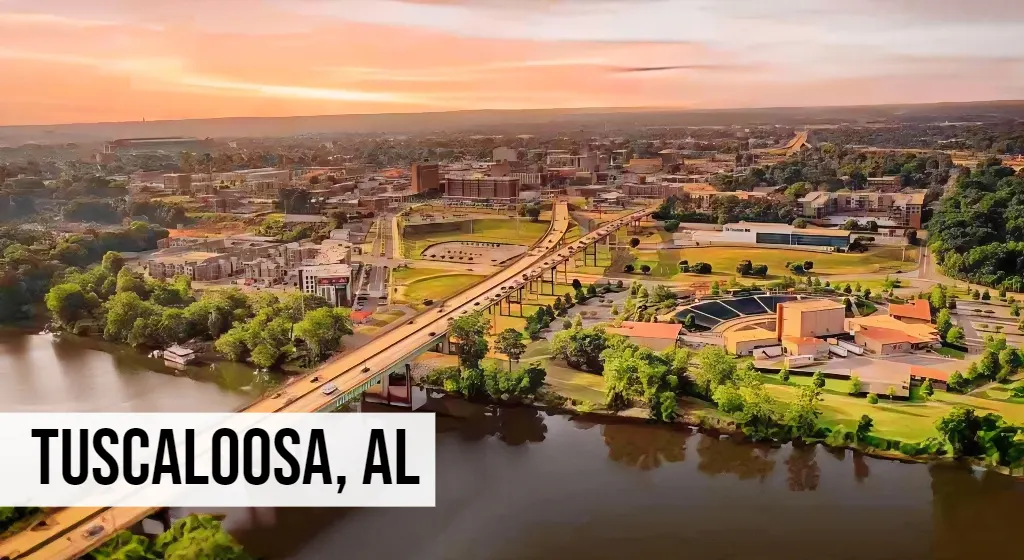
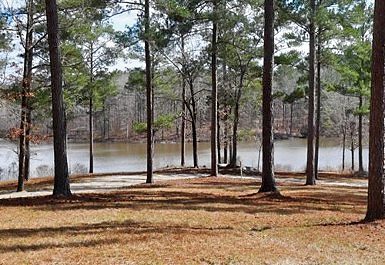
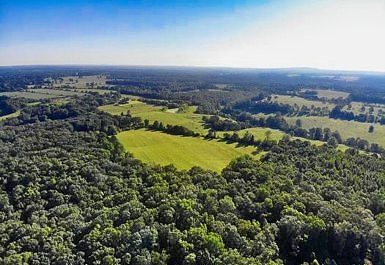
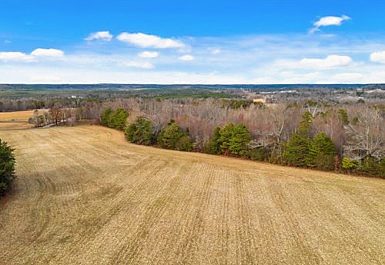
Looking for a dependable buyer for your land in Alabama? We work directly with landowners across the state and focus exclusively on vacant property. From rural acreage and undeveloped parcels to infill lots near growing metros, we actively buy land throughout Alabama, including agricultural and transitional property in counties like Jefferson County, Madison County, Mobile County, Montgomery County, and Tuscaloosa County.
Whether your property is in Lee County, Shelby County, Baldwin County, or a more rural part of the state, we’re prepared to review the details and make a clear cash offer based on real land values. Every parcel and situation is different, which is why our process stays flexible, direct, and seller-focused. If your goal is to convert land into cash without listings, commissions, or delays, we offer a straightforward path to selling your Alabama property on a timeline you can plan around.
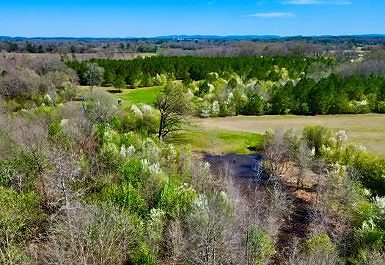
Top Cities Where We Buy Alabama Land
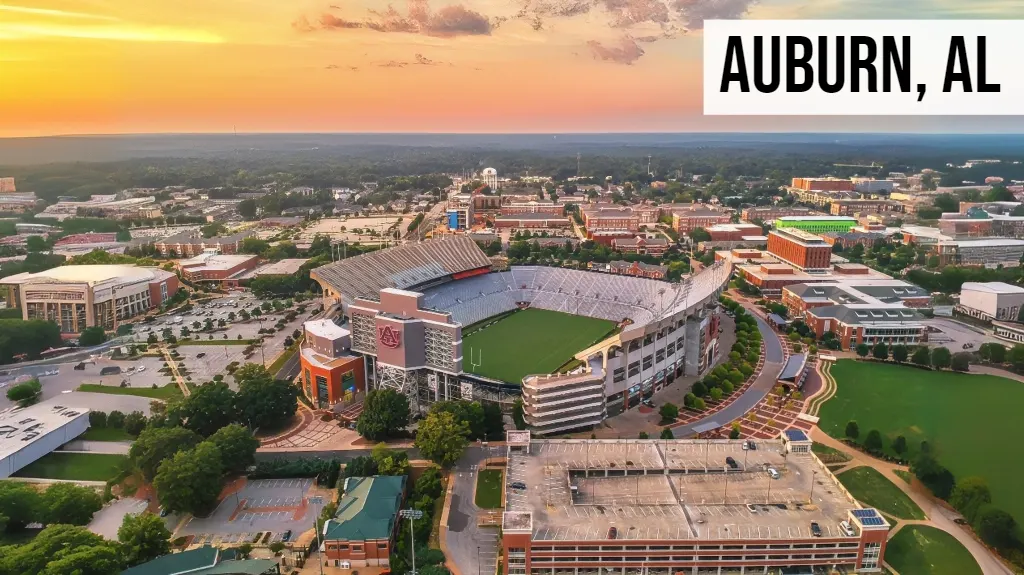
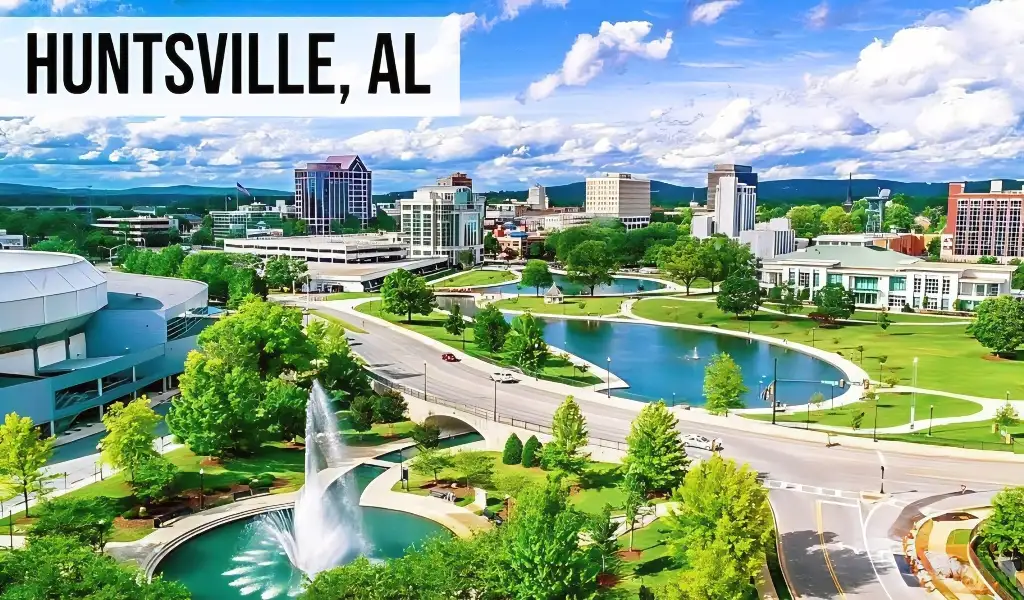
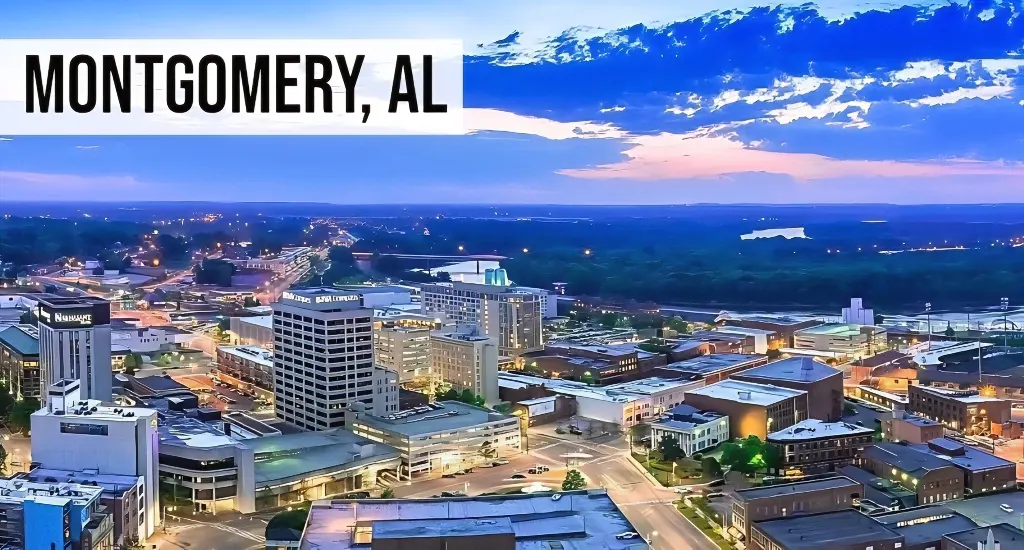
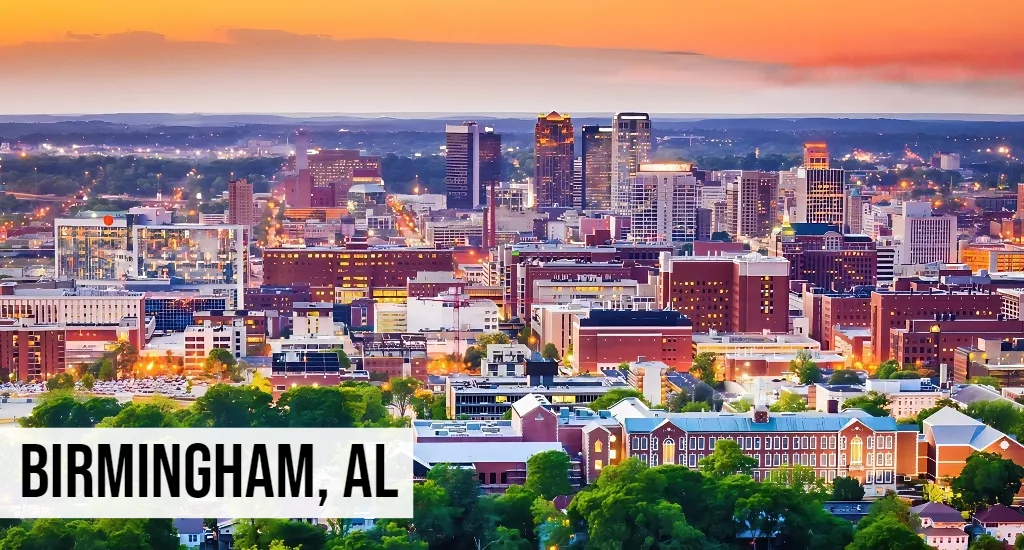
We make fair cash offers for vacant land in major Alabama markets, including Huntsville, Montgomery, Birmingham, Mobile, Tuscaloosa, and surrounding communities statewide. From city infill lots to properties on the edge of growing metro areas, we evaluate land based on real market conditions—not inflated assumptions.
Our process is built to stay simple and seller-focused. You share the property details, we review the land, and present a clear cash offer with no pressure or obligation. If you’re considering selling land in Alabama and want a direct, predictable way to convert property into cash, we’re ready to walk you through the process and answer questions upfront.
Alabama landowners can work with Bubba Land Company to sell vacant land, rural acreage, farms, and recreational property without the usual listing delays. If you also own land just across the western line, learn more about Mississippi land buyers. If your property is farther south, you can visit our selling land in Florida page. For acreage east of Alabama, take a look at our sell land in Georgia guide. And if you have land farther north, explore options for selling rural land in Tennessee.
Compare Options: Cash Buyer vs. Realtor vs. FSBO for Alabama Land
If you’ve been weighing your options—working with an agent, listing the land online, or handling the sale yourself—you’ve probably seen how much time and uncertainty each path can add. Many Alabama landowners look at selling by owner because it seems simpler, but FSBO still means marketing the property, fielding calls, negotiating terms, and waiting to see if a buyer actually follows through.
That’s where a direct cash buyer changes the equation. Bubba Land Company buys Alabama land quickly, eliminating commissions, repairs, and the long delays common with traditional listings. Whether you’re comparing your options or ready to move forward, the goal is straightforward: choose a path that lets you sell my land in Alabama with fewer steps, fewer fees, and a clear timeline you can rely on.
| Selling Factor | Bubba Land Company | Realtor | For Sale By Owner |
|---|---|---|---|
| Time to Sell | ✅ Fast (7–30 days) — No Listings or Buyer Delays | Moderate (3–6 months) | Variable (3–12 months) |
| Costs Involved | ✅ No Fees or Commissions | High (Commission + Closing Costs) | Low (Advertising + Legal Fees) |
| Final Sale Price | ✅ Fair As-Is Cash Offer | Market Value (Depends on Demand) | Potentially Higher, but Not Guaranteed |
| Effort Required | ✅ Minimal — We Handle the Process | Moderate — Realtor Manages Most Tasks | High — You Manage all Details |
| Marketing Needed | ✅ None | Realtor Provides Marketing | You Handle Marketing & Exposure |
| Negotiations | ✅ Direct Offer — Minimal Back-&-Forth | Realtor Negotiates on Your Behalf | You Negotiate Directly |
| Legal Paperwork | ✅ Prepared for You — & Reviewed at Closing | Realtor Assists with Documentation | You Hire an Attorney |
| Certainty of Closing | ✅ High — Cash Closings with No Loan Risk | Moderate — Buyers can Fall Through | Low to Moderate |
| Flexibility | ✅ High — You Choose the Closing Timeline | Moderate | High — you set terms |
5 Final Tips to Sell Land in Alabama for Cash Fast
If you decide to sell your land on your own, these five tips will help you move the property faster in the Alabama market:
1. Clear the “Heirs’ Property” Hurdle Early
Alabama has strict probate laws. If the land was inherited, ensure the deed is legally in your name before listing. Dealing with multiple heirs late in the closing process is the #1 reason Alabama land deals fall through.
2. Verify Your “Deeded Access”
In Alabama, landlocked property can lose up to 50% of its value. Ensure you have a recorded easement or direct road frontage. Buyers will walk away immediately if they realize they can’t legally drive onto the property.
3. Price by the Acre, Not the Feeling
Don’t rely on Zillow “Zestimates” for vacant land. Look at recent sales in your specific county—land in the Black Belt is valued differently than timberland in the Tennessee Valley. Pricing accurately from day one is the key to a fast sale.
4. Showcase with Aerial Photos
Since you aren’t selling a house with a kitchen, the “curb appeal” of land is its boundary lines and terrain. Use a drone to capture the layout, water features, and access points so buyers can see the full potential from their phone.
5. Be Ready for “Caveat Emptor”
Alabama is a “Buyer Beware” state. While this protects you as a seller, savvy buyers will be extra cautious. Having your property tax records and any existing surveys ready to hand over builds the trust needed to close the deal.
Related Alabama Land Selling Guides
Most land deals don’t fall apart because of price—they fall apart because of overlooked issues. These guides highlight what actually slows closings, reduces value, or creates legal problems so you can stay ahead of it.
- Alabama Fence Laws & Boundary Rules: Shared fence responsibility and unclear property lines can quickly turn into costly neighbor disputes.
- Subdividing Land: Costs & Process: County approvals, access, and utilities often limit what you can actually do—and what buyers will pay.
- Landlocked Property Solutions: No legal access usually means lower value unless you secure an easement first.