
Paperwork to Sell Virginia Land: Don’t Get Stuck Without It!
Paperwork plays a larger role in Virginia land transactions than many property owners expect. Even when a buyer is lined up, missing or outdated documents can slow the process or create issues during closing. Knowing which records are reviewed ahead of time helps avoid unnecessary back-and-forth later.
This article serves as a reference guide to documentation commonly involved in Virginia land transfers, rather than a walkthrough on how to sell property. It explains why certain documents are requested and how they are used during a transaction, giving owners clearer context as they prepare for a potential sale.

Virginia Land Sale Paperwork Checklist
Now that we’ve established why paperwork matters, let’s get down to the nitty-gritty of what you’ll need to get that sale across the finish line. When it comes to selling land in Virginia, you can’t just show up with a handshake and a smile—you need a solid stack of paperwork. These documents not only protect you but also ensure the transaction is legal, binding, and transparent. Whether you’re selling a picturesque plot nestled in the Shenandoah Valley or a coastal gem along the Chesapeake Bay, the Commonwealth of Virginia has its own set of documentation requirements.
Here’s the checklist of the key documents you’ll need to make sure your Virginia land sale is as smooth as a glass of sweet tea on a summer afternoon.
1. The Deed: Virginia’s Ownership Blueprint
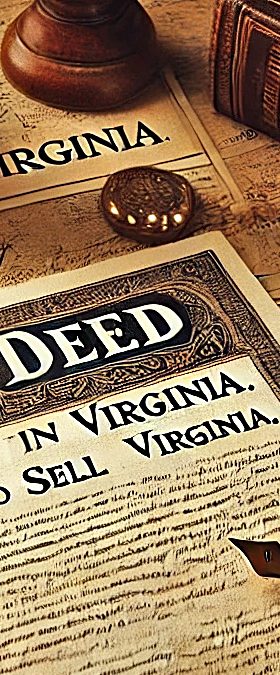
The deed is the cornerstone of your sale. In Virginia, this document officially transfers ownership from you to the buyer. Without it, well, there’s no sale. The most common type is the General Warranty Deed, which guarantees the buyer that the property is free of any legal claims or liens. There’s also the Quitclaim Deed, often used in simpler or family-based transactions, but it comes with fewer protections for the buyer. In Virginia, over 90% of real estate transactions involve a General Warranty Deed, making it the gold standard for land sales. Just like in the real estate world, deeds are serious business—don’t cut corners here.
2. Land Survey: Confirming Your Virginia Boundaries
Imagine selling land and later finding out that the buyer’s property line runs right through your neighbor’s backyard. Awkward, right? A land survey defines exactly where your property begins and ends. It ensures there’s no confusion about boundaries, easements, or other potential issues. In rural Virginia, roughly 65% of buyers request a land survey before committing to a purchase, and for good reason—it helps eliminate future disputes and sets clear expectations. It’s all about knowing what you’re selling—and what your buyer is getting.
3. Purchase Agreement: The Deal-Maker’s Contract
This document outlines the terms and conditions of the sale, from the price to any contingencies. It’s the agreement that officially binds you and the buyer to the deal. In Virginia, this document needs to be as airtight as a ship in the Norfolk Harbor, covering everything from the legal description of the land to the buyer’s ability to secure financing. A well-constructed purchase agreement can reduce transaction delays by 30%, according to a report by the Virginia Realtors Association. Without it, your sale isn’t worth the paper it’s printed on.
4. Property Tax Records: Keeping Uncle Sam Happy
Nobody escapes taxes—not even landowners. Before selling your land, you’ll need to ensure all property taxes are paid up and provide the buyer with tax records showing the property is clear of any liens. In Virginia, failure to settle property taxes can stall your sale faster than traffic on I-95. On average, 10% of real estate transactions in Virginia are delayed due to outstanding property tax issues. The good news? Once this is done, the path to closing is a lot smoother.
5. Disclosure Forms: Honesty is the Best Policy in the Old Dominion
In Virginia, it’s not just polite to be upfront about your land’s condition—it’s the law. State regulations require you to disclose any issues that could affect the value of the land, from environmental concerns to zoning regulations. Buyers don’t want surprises after the deal is done, and as the seller, it’s your responsibility to lay everything on the table.
In Virginia, failure to disclose relevant property information results in legal disputes in about 12% of land sales, according to the Virginia Department of Professional and Occupational Regulation. The good news is, Virginia’s disclosure requirements are pretty straightforward—just make sure to include anything that could impact how the buyer plans to use the land.
Additional Paperwork to Streamline Your Sale
Title Insurance Policy: Ensuring a Clear Title
Want to sleep soundly at night? Get title insurance. This protects both the buyer and you, the seller, from any legal disputes over ownership that might pop up after the sale. Title insurance is like a safety net—it ensures that if there’s an issue with the ownership history of the land, no one’s getting hit with a lawsuit down the road.
Most buyers will request title insurance, and in Virginia, it’s standard practice in about 80% of land transactions, according to the Virginia Land Title Association. Trust us: you don’t want a title dispute cropping up years after you’ve already cashed that check.
Power of Attorney: Handling Transactions Remotely
Can’t be present at the closing table? No problem. A Power of Attorney (POA) allows someone else to sign the paperwork on your behalf. This can be a lifesaver if you’re selling land from out of state or simply don’t want to deal with the logistics of closing in person. Just make sure the POA is specific to the real estate transaction—otherwise, it could create confusion.
Navigating Legal Requirements in Virginia
Understanding Virginia Land Sale Laws
Virginia’s laws cover everything from zoning to environmental regulations. For example, if your property contains protected wetlands, you’ll need to disclose that to the buyer. Zoning laws can also impact how the buyer plans to use the land, so be prepared to provide any information related to that.
According to Virginia’s Wetlands Protection Act, any land containing wetlands must follow strict guidelines for development, which could influence a buyer’s decision. Make sure you’re clear on whether your land is subject to any restrictions like this before you list it for sale.
Working with a Real Estate Attorney
It’s not a legal requirement to hire a real estate attorney in Virginia, but it can make the process smoother—especially if you’re dealing with complex legal issues like unclear property boundaries, easements, or encroachments. An attorney can ensure all the paperwork is in order and that your rights are protected throughout the sale.
How to File and Finalize Your Paperwork
Recording the Deed
After the sale is complete, the deed needs to be recorded with the local county clerk’s office. This makes the transfer of ownership official. In Virginia, recording the deed is a must, and failing to do so could result in legal issues for both you and the buyer. It’s a simple process, but one you can’t afford to skip.
Closing Documents: Sealing the Deal
At closing, you’ll sign a stack of documents to finalize the sale. This includes the closing statement, any receipts of payment, and the deed itself. Once these are signed, the sale is complete, and the buyer officially owns the land.

Common Mistakes to Avoid When Selling Land in Virginia
Incomplete or Incorrect Deeds
A deed is the foundation of your property transaction. If it’s incomplete or contains errors, your sale could be delayed, or worse—completely stalled. Mistakes such as incorrect legal descriptions or missing signatures are more common than you might think. Double-check the details or consult a professional to ensure everything is in order before signing and submitting the deed for recording
Forgetting to Pay Property Taxes
Unpaid property taxes can halt your land sale in its tracks. Before you can hand over ownership, all property taxes must be cleared. This can easily derail your closing if not handled ahead of time. Check with your local tax office to confirm everything is squared away.
Failing to Disclose Property Issues
Virginia requires land sellers to disclose any known issues that might affect the property, such as zoning restrictions, environmental concerns, or boundary disputes. Failing to disclose such details can land you in legal hot water. Transparency upfront can save you from lawsuits down the line.
Partnering with Bubba Land for Seamless Land Transactions
Buying or selling land can be a daunting task, laden with complex legal processes and extensive paperwork. At Bubba Land, we understand that your time is valuable, and our goal is to make your land transactions as smooth and stress-free as possible. By partnering with a professional land company like ours, you can avoid the pitfalls and costly mistakes that often come with navigating land deals on your own.
- No Realtor Fees or Closing Costs: Sell directly to Bubba Land and keep more money in your pocket.
- Hassle-Free Process: Skip the marketing and showings; we make direct offers for a quick sale.
- Fast Cash Offers: Get paid quickly, without the long wait.
- Straightforward Transaction: No complicated negotiations—just a simple, direct sale.
- Reduce Risk: Sell quickly to avoid long listing periods and potential property issues.
In the land business, it’s important to partner with a company that has a proven track record and a commitment to integrity. Bubba Land is dedicated to providing you with a seamless, hassle-free experience, and we pride ourselves on being a trustworthy partner in your land journey. Whether you’re looking to sell quickly for cash or need assistance navigating a complex land purchase, we’re here to help.
Conclusion on Paperwork Needed to Sell Virginia Land
Documentation is a key part of any Virginia land transaction, and understanding how each record is used can help prevent delays during closing. Deeds, tax records, surveys, disclosures, and title-related materials are reviewed to confirm ownership, identify obligations, and ensure the transfer is properly recorded. When these items are prepared in advance, the closing process tends to move more smoothly.
This overview is intended to explain the role paperwork plays rather than provide selling instructions. For landowners who are actively preparing to move forward, resources like selling land in Virginia offer a broader look at the transaction process. Approaching the documentation side with preparation and realistic expectations helps keep everything organized and reduces the chance of last-minute issues.
Frequently Asked Questions (FAQs)

What Documents Are Required to Sell Land in Virginia?
Selling land in Virginia typically involves a valid deed, a signed purchase agreement, and current property tax records. A land survey may be requested to confirm boundaries and access, and disclosure documents are used to outline known issues that could affect the property. Title-related documents are also reviewed to ensure ownership can be transferred cleanly.
Is Title Insurance Commonly Used in Virginia Land Sales?
Title insurance is not legally required in Virginia, but it is commonly used in land transactions. It helps protect against undiscovered ownership issues, liens, or recording errors that could surface after closing, providing reassurance for both parties.
How Is Ownership of Land Transferred in Virginia?
Land ownership in Virginia is transferred through a deed that is signed by the seller and recorded with the local county clerk. Recording the deed officially updates public records and completes the transfer of ownership.
What Does the Virginia Disclosure Statement Cover?
Virginia disclosure requirements focus on informing buyers of known material facts that could impact the land’s use or value. This may include zoning limitations, environmental conditions, access issues, or recorded encumbrances. Accurate disclosure helps reduce the risk of disputes after closing.
How Are Property Taxes Handled When Selling Land in Virginia?
Before closing, property taxes in Virginia must be current or accounted for in the settlement. Proof of payment or tax proration is typically required, as unpaid taxes can create liens that delay or prevent the transfer.