Pros & Cons of Buying Land in Tennessee

Ah, Tennesseeโthe land of sweet tea, country music, and rolling hills as far as the eye can see. But is it the right spot for your next big land purchase? Letโs dig in and see if this southern gem shines as bright as folks say.
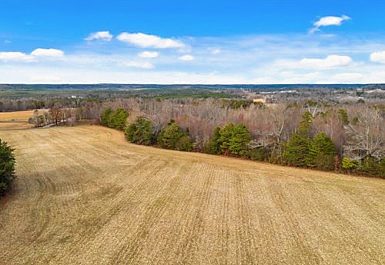
Thinking about buying land in Tennessee? Well, youโre not alone. With its rolling hills and a booming economy, the Volunteer State has plenty of folks considering their own slice of southern paradise. But like any big decision, itโs not without its twists and turns. Letโs talk farmland: Tennessee boasts a sprawling 10.8 million acres of it, with the average farm clocking in at around 155 acresโnot too shabby, right?
And in 2023, the stateโs agricultural industry pulled in a robust $3.7 billion from crop sales. But hereโs the kickerโonly about 41% of Tennesseeโs land is classified as prime farmland. That nugget of wisdom comes from the USDAโs Natural Resources Conservation Service. So if youโre thinking about getting into the farming game, thatโs definitely something to chew on. Before you take the plunge, letโs dig into what makes Tennessee land a potential gold mineโand what might have you pumping the brakes.
The Pros of Buying Land in Tennessee
Thinking about staking your claim in Tennessee? Youโre not alone. The Volunteer Stateโs diverse landscapes and welcoming atmosphere have charmed many, offering a blend of beauty, opportunity, and investment potential. Whether youโre dreaming of a peaceful retreat, a thriving farm, or a smart investment, Tennessee has something special for you. Letโs dive into the reasons why owning land in Tennessee is more than just a good ideaโitโs an adventure.
Natureโs Masterpiece: Tennesseeโs Stunning Scenery
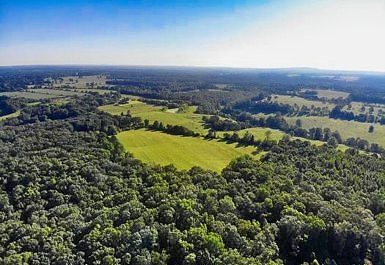
Imagine waking up to the sight of mist-kissed Appalachian peaks or wandering through fields of wildflowers in your own backyard. Tennesseeโs landscapes are like living in a paintingโwhere every season reveals a new layer of natural beauty. Whether it’s the majestic mountains, tranquil lakes, or the whispering forests, owning a piece of Tennessee means having your very own slice of paradise. Think of it as a front-row seat to natureโs greatest show.
Four Seasons of Fun: A Climate with Character
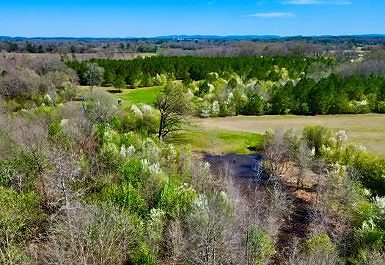
Tennesseeโs climate is like a perfect playlistโthereโs a little something for everyone. Spring brings a burst of blooms and fresh beginnings, while summer offers warm, sun-soaked days ideal for outdoor adventures. Fall, though, is the showstopper, with its stunning foliage that turns the state into a canvas of reds, oranges, and golds. And when winter rolls in, itโs just enough to enjoy cozy fireside moments without the extreme chill. Every season brings its own flavor, making Tennessee a place where the rhythm of nature is something to look forward to.
Low Taxes, High Savings: The Financial Perks of Tennessee Land
Hereโs a little secret: Tennesseeโs property taxes are so low, you might feel like youโre getting away with something. With an average effective tax rate of just 0.69%, and residential rates starting as low as 0.25%, your wallet will thank you. Compared to the national average, these rates are a steal, making land ownership in Tennessee not just a dream, but a financially savvy move. Itโs like finding a dollar in your pocket every time you think about your property.
A Business Paradise: Why Tennessee Loves Entrepreneurs
Tennessee doesnโt just woo nature lovers; itโs also a magnet for businesses and entrepreneurs. With a tax structure designed to attract companies and foster growth, itโs no wonder big names like FedEx, AutoZone, and Dollar General have set up shop here. For landowners, this business-friendly vibe translates into a thriving local economy and rising property values. Whether youโre starting a new venture or just riding the wave of economic growth, Tennesseeโs business environment turns your land into more than just dirtโitโs a gold mine.
Tourist Magnet: Cashing in on Tennesseeโs Visitors
Tennessee isnโt just a place to liveโitโs a destination. Drawing over 100 million visitors annually, the stateโs iconic attractions, from Nashvilleโs music scene to the thrills of Dollywood, offer endless opportunities for rental income. Imagine owning land near these tourist hotspots and turning it into a lucrative Airbnb or vacation rental. And if youโre more into the great outdoors, Tennesseeโs natural playground offers hiking, fishing, hunting, and more, right in your backyard. Owning land here means youโre not just investing in propertyโyouโre investing in an experience.
Farm Fresh Opportunities: Agriculture in Tennessee
With its fertile soil and long growing season, Tennessee is a dream for anyone with a green thumb. Agriculture here is more than just a hobbyโitโs a $3.9 billion industry. Whether youโre into growing crops, raising livestock, or harvesting timber, Tennesseeโs agricultural land is ripe with opportunity. And even if farming isnโt your thing, leasing your land to local operators can still provide a steady income. Owning agricultural land in Tennessee is like owning a piece of the stateโs rich farming heritageโa valuable asset that keeps on giving.
The Cons of Buying Land in Tennessee
Tennessee land may sound like a dream come true, but before you start envisioning life in overalls and a straw hat, itโs wise to consider some potential challenges. Letโs dive into the less glamorous side of Tennessee land ownership and see what you might be up against.
Sky-High Property Values: The Price of Popularity
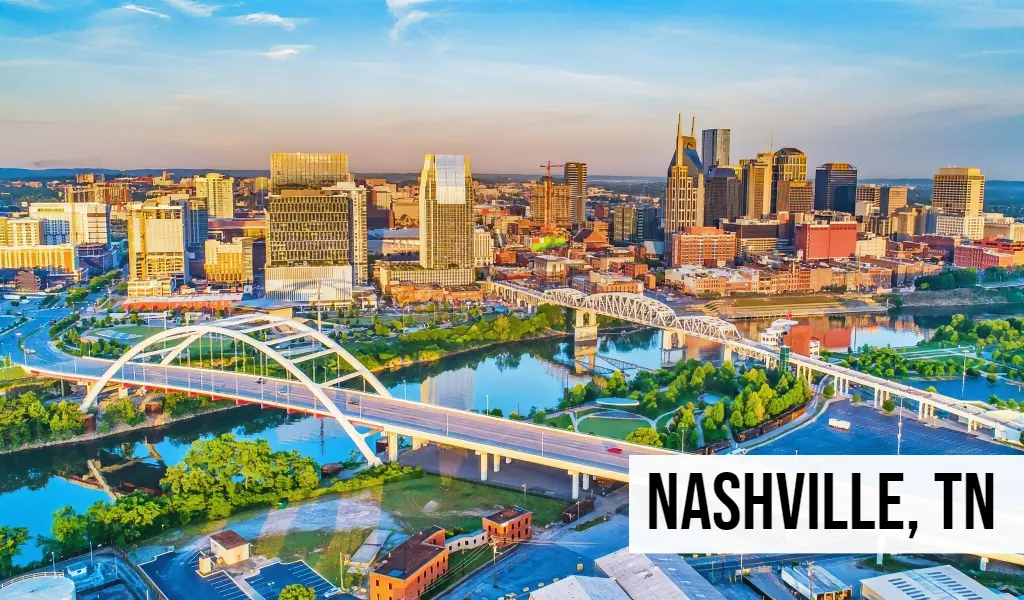
One of the biggest hurdles for prospective landowners in Tennessee is the wildly varying property values. In booming urban centers like Nashville, land prices can skyrocket, with an acre costing well over $1 million. Thatโs quite a chunk of change! Just a short drive away in rural areas, though, prices can drop dramatically, with land selling for as little as $2,000 to $5,000 per acre. Itโs a stark contrast that highlights the importance of doing your homework. Understanding the market in your target area is crucial to ensure youโre making a sound investment rather than paying top dollar for a piece of land that might not hold its value.
Tourist Traffic: Seasonal Crowds and Empty Months
If youโre planning to generate rental income from your Tennessee property, especially in the picturesque mountain regions, be prepared for the ebb and flow of tourism. Summer months can bring a flood of visitors, filling up your rental units and boosting your income. But come winter, those same properties might sit empty, generating little to no revenue. Managing this seasonal cash flow requires careful planning and a bit of financial acrobatics to ensure you can cover your costs year-round. Itโs not just about reaping the rewards during peak season but also about weathering the quieter months when tourists head home.
Weathering the Storm: Dealing with Extreme Weather
Tennesseeโs weather isnโt all sunshine and rainbows. The state is known for its share of extreme weather events, from powerful thunderstorms and flooding to the occasional hurricane. While these natural occurrences add a bit of excitement to life in Tennessee, they can also bring significant risks. Ensuring your land and any buildings are properly insured is essential to minimize financial damage from these disasters. And if youโre building, make sure your structures are designed to withstand the weather, because when the winds pick up, youโll want to be confident your investment can handle it.
The Legal Maze: Navigating Development Laws
Tennesseeโs charm lies in its diversity, but that also means a patchwork of development laws that can vary wildly from one county to the next. Zoning regulations, construction codes, and permitting processes differ across the stateโs towns and rural areas. Before you get too attached to a piece of land, make sure to thoroughly research the local rules. Itโs essential to know whether your plans are feasible within the legal framework of your chosen area. The last thing you want is to buy land only to find out that your dream project isnโt allowed.
Limited Public Land: Private Property Rules
If youโre someone who enjoys easy access to public lands, you might find Tennessee a bit restrictive. About 90% of the state is privately owned, leaving public lands scattered and mostly concentrated in state parks, wildlife areas, and the Great Smoky Mountains. While these areas are stunning, they may not be conveniently located near your property. If proximity to public lands is a priority for you, be sure to research the area thoroughly before buying. You might find that your options for outdoor recreation are more limited than youโd hoped.
The Ongoing Costs: Budgeting for Maintenance and Upkeep
Owning land isnโt just a one-time purchase; itโs an ongoing commitment. Even if your land is undeveloped, youโll still need to budget for property taxes, insurance, and general upkeep. And if youโre planning to build, there are additional costs for utilities, construction, and possibly roadwork to consider. These expenses can add up quickly, so itโs important to have a realistic budget in place before taking the plunge into Tennessee land ownership. Being prepared for these ongoing responsibilities will help ensure that your dream property doesnโt become a financial burden.
Key Considerations for a Smart Tennessee Land Purchase
So, youโve decided to own land in Tennesseeโgreat choice! But before you jump in, there are some crucial factors to keep in mind. Hereโs a quick guide to help ensure your investment is a wise one.
Location Is Everything: The Power of Place
In Tennessee, where your land is located can make or break your investment. Urban areas like Nashville offer high growth potential but come with steeper prices. Rural regions might be cheaper but lack amenities. Research local market trends and future prospects to pick a spot that aligns with your goals. Remember, the right location can turn a good deal into a great investment.
Terrain and Topography: Choosing Land That Works for You
Tennesseeโs diverse landscapes mean youโll need to choose wisely. Hilly areas in East Tennessee are beautiful but may not be practical for farming or building. Flat land is ideal for agriculture but might lack views. Make sure the landโs terrain matches your intended use, whether itโs for a home, farm, or recreational purposes.
Access All Areas: Ensuring Convenience and Connectivity
Access is keyโmake sure thereโs a road leading to your property and that utilities like water and electricity are within reach. Poor access can lower the landโs value and make life difficult. Check connectivity to ensure the land is practical and retains its worth over time.
Permitting Pitfalls: Navigating Local Regulations
Before committing, check local zoning and permitting rules. Every area in Tennessee has different regulations, so ensure your plans for the land align with whatโs allowed. The last thing you want is to buy land and then find out you canโt use it as intended.
Beware the Waters: Understanding Flood Zones
Flooding can be a concern, especially near rivers or in low-lying areas. Check FEMA flood maps to see if the land is at risk. Knowing this upfront can prevent future headaches and additional costs from flood damage or high insurance premiums.
Surroundings Matter: Evaluating the Neighborhood
Always check out the area around the property. What looks perfect online might be next to an industrial site or have other issues. A quick visit can reveal potential red flags or, conversely, positive nearby developments that could boost your landโs value.

Evaluating Land Opportunities Across the Southeast
While Tennessee provides excellent tax rates and diverse terrain, expanding your property search uncovers unique regional advantages. Every state features distinct zoning laws, timber values, and agricultural benefits that impact your investment. Review our state-specific guides to understand the regional dynamics across the South:
- Analyzing Arkansas Land Investments: Known for affordable rural acreage and exceptional recreational value, particularly for hunting and timber.
- The Realities of Purchasing Louisiana Acreage: This region presents unique wetland and floodplain considerations alongside highly productive agricultural soil.
- Evaluating Mississippi Timber and Hunting Tracts: Mississippi offers robust timber markets, making it essential to understand county-specific zoning and environmental factors.
- Is Kentucky Right for Your Next Land Purchase?: Features fertile soil and excellent recreational land, coupled with specific property tax advantages for investors.
- Weighing Your Options for Alabama Rural Land: Highly favorable property taxes and strong timber opportunities make this state a consistent choice for buyers.
Conclusion: Pros & Cons of Purchasing Land in Tennessee
So, is buying land in Tennessee the right move for you? It depends on what youโre looking for. Tennessee offers natural beauty, economic opportunities, and a growing market, making it an appealing choice for many. Whether youโre interested in building a home, starting a farm, or making an investment, the state has plenty to offer.
But there are challenges too. Property values vary widely by location, and the terrain might affect how you can use the land. Seasonal tourism, weather patterns, and local regulations are also factors to consider.
The key is to weigh the pros and cons based on your personal goals. Consider what matters most to youโbe it urban proximity, rural peace, or financial benefits. By doing your research and assessing your options, youโll be in a better position to make a decision that suits your needs.
If Tennessee feels like the right fit, you could end up with land that meetsโand even exceedsโyour expectations. Take your time, explore your options, and make the choice that feels right for you.
| Factors | Pros | Cons |
|---|---|---|
| Natural Beauty | Breathtaking landscapes with diverse scenery, including the Great Smoky Mountains, which attract over 12 million visitors annually. | Wildly varying property values depending on location, with urban areas like Nashville seeing prices of over $1 million per acre. |
| Climate | Four distinct seasons with a mild climate, with average winter lows of around 30ยฐF and summer highs of about 85ยฐF. | Extreme weather events such as flooding and storms, with over 1,500 flood events recorded in the state since 1996. |
| Property Taxes | Low property taxes compared to national averages, with an average effective property tax rate of just 0.69%. | Ongoing maintenance costs for land upkeep, which can range from $500 to $5,000 annually depending on the property. |
| Business Environment | Business-friendly tax structure with corporate incentives, attracting major companies like FedEx and AutoZone. | Patchwork of development laws and zoning regulations, which vary significantly by county and municipality. |
| Recreation | Abundant outdoor recreation opportunities, with over 56 state parks and countless hiking trails. | Seasonal tourism traffic may impact rental income, particularly in peak summer and winter months. |
| Agricultural Potential | Strong agricultural potential with a long growing season, contributing to a $3.9 billion agriculture industry. | Limited access to public lands due to private ownership, with 90% of Tennessee land privately owned. |
Frequently Asked Questions (FAQs)

1. Is Buying Land in Tennessee a Good Investment?
Buying land in Tennessee can be a good investment due to the stateโs low property taxes, growing economy, and diverse landscapes. However, property values can vary significantly depending on the location, so itโs essential to research the area thoroughly before purchasing.
2. What Are the Main Challenges of Owning Land in Tennessee?
The main challenges include extreme weather events like flooding, varying property values, the need to navigate different local zoning laws, and managing seasonal tourism impacts on rental income. Additionally, maintaining the land can involve ongoing costs.
3. How Do Property Taxes in Tennessee Compare to Other States?
Tennessee is known for its low property taxes, which are generally lower than the national average. This makes land ownership in Tennessee more affordable compared to many other states, especially for long-term investments.
4. What Should I Consider About the Location When Buying Land in Tennessee?
Location is crucial as it affects property values, access to amenities, and growth potential. Urban areas like Nashville offer more growth opportunities but at higher prices, while rural areas might be more affordable but less accessible.
5. Are There Specific Zoning Laws or Regulations I Should Be Aware of in Tennessee?
Yes, zoning laws and regulations vary by county and municipality in Tennessee. Itโs important to research the local rules thoroughly to ensure your intended use of the land is permitted and that you can meet all legal requirements.