South Carolina Fence Laws: 4 Vital Rules to Avoid Conflict
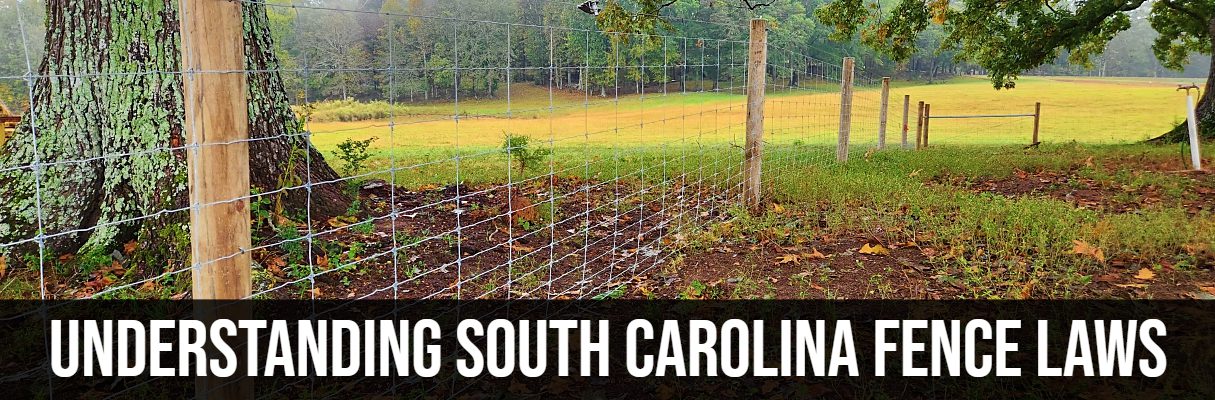
Overview of South Carolina Fence Laws
Building a fence might seem like a simple weekend project—just you, a few posts, some elbow grease, and maybe a cold drink to celebrate afterward. But before you dig that first hole, it’s crucial to know that in South Carolina, the rules surrounding fences are about as tricky as a knot in barbed wire. Whether you’re trying to keep the cows in, the deer out, or just want to carve out a little slice of privacy from your chatty neighbor, understanding South Carolina’s fence laws can save you a lot of trouble down the road.
Trust us, you don’t want to be that person who discovers too late that their beautiful new fence is on the wrong side of the property line—or worse, that it’s violating a local ordinance. This guide is here to help you navigate the ins and outs of South Carolina’s fence regulations, so you can get your fence up without a hitch and with your neighborly relations intact. After all, in the Palmetto State, a good fence doesn’t just make good neighbors—it keeps the peace, keeps you out of court, and maybe, just maybe, keeps that nosy neighbor from peeking over your shoulder during your weekend barbecue.
Understanding the Basics of South Carolina Fence Laws
What Are Fence Laws?
Fence laws, in simple terms, are the rules that dictate how and where you can build a fence on your property. Think of them as the silent referees in the boundary game between you and your neighbor. In South Carolina, these laws ensure that fences serve their purpose without causing disputes. So before you start digging post holes, it’s smart to know the legal playbook.
Why South Carolina Fence Laws Matter
You might be thinking, “It’s my land, I can fence it how I want!” But here’s the thing: without knowing the fence laws, you could end up in a heated debate with the folks next door—or worse, in court. Imagine building a beautiful new fence only to discover it’s on your neighbor’s land. Awkward, right? Understanding these South Carolina laws saves you from such blunders and keeps everyone happy.
Property Boundaries & Fence Placement in South Carolina
Determining Property Lines
Before you lay down that first post, you need to know exactly where your property ends and your neighbor’s begins. It’s like finding the right zip code for your fence—it’s gotta be spot on. You can dig out your deed or hire a professional surveyor to stake out your boundaries. Trust me, a little extra homework now saves a lot of headaches later.
Rules for Fence Placement
Now that you know where your land lies, it’s time to figure out where the fence can go. South Carolina has some rules here—nothing too fancy, but enough to keep the peace. Your fence needs to stay within your boundary lines, and in some cases, there are setback requirements, meaning your fence has to be a certain distance away from the property line. Special cases, like fencing around a pool, might have stricter rules, so don’t skip the fine print.
Fence Height & Material Regulations
Maximum Height Restrictions
When it comes to fence height, South Carolina doesn’t want you turning your backyard into a fortress. There are limits on how tall your fence can be, usually around 6 feet for residential areas. But, if you’re in a more relaxed zone, like the countryside, you might get away with something a bit taller. Just be sure to check your local zoning laws—they’re the ones holding the tape measure.
Approved Materials for Fences
Picking the right material for your fence is a bit like choosing the right bag for your coffee—some materials are better suited for the job than others. In South Carolina, you’re generally free to choose from wood, vinyl, or metal. But there are some restrictions, especially if you’re in a historic district or a neighborhood with its own set of rules. So before you go all in on that trendy bamboo, double-check what’s allowed.
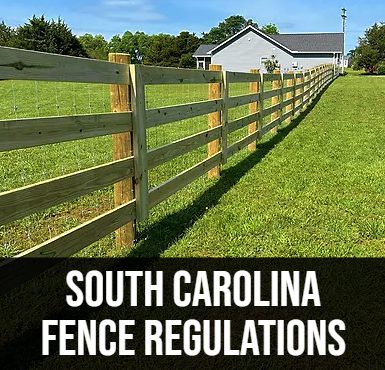
South Carolina’s “Right-Hand Rule” for Fence Maintenance
What is the Right-Hand Rule?
Here’s where things get interesting. In South Carolina, there’s this little thing called the “Right-Hand Rule.” It’s basically a friendly way of saying, “You’re responsible for the right side of the fence.” Picture yourself standing in your backyard, facing the fence—everything on the right side is your job to maintain. Simple enough, right (pun intended)?
Resolving Disputes Over Fence Maintenance
But what if your neighbor thinks the rule doesn’t apply to them? That’s when things can get tricky. The best approach is to have a chat with them before the fence goes up. If things get heated, you might need a mediator—or, in the worst-case scenario, a legal nudge to get them to cooperate. But let’s hope it doesn’t come to that. If this is an inherited property in South Carolina, you might ask yourself it’s just worth selling instead.
South Carolina Fence Laws & Neighbor Disputes
Handling Boundary Disputes
Boundary disputes are like arguing over who gets the last slice of pizza—no one wins if it gets ugly. In South Carolina, these disputes usually pop up when property lines are unclear or when a fence crosses into someone else’s land. The first step is to try and resolve it with a friendly conversation. If that doesn’t work, you might have to bring in a surveyor to settle the matter. This is especially important to handle this type of dispute properly if you’re dealing with a landlocked property in South Carolina.
Legal Recourse for Fence-Related Issues
If a simple conversation doesn’t do the trick, and your neighbor is still being difficult, you may need to take legal action. South Carolina courts are well-versed in fence disputes, but trust me, it’s better to sort things out before it gets to that point. Going to court over a fence isn’t just costly; it can permanently sour relations with your neighbor. And nobody wants that. If all this makes your brain spin, it might be worth asking yourself what are the Pros & Cons of Buying or Selling land in South Carolina.
Conclusion: Stay Informed & Protect Your Property
Wrapping things up, knowing South Carolina fence laws is like having a good set of instructions before you assemble that new patio set—it makes the process smoother and less stressful. By understanding the rules, you can build the fence of your dreams without stepping on any toes—literally or figuratively. Think of it as the ultimate cheat sheet for navigating the sometimes tricky waters of property boundaries, neighborly relations, and local regulations. The peace of mind that comes from being informed is worth its weight in gold, especially when it means avoiding potential disputes or costly legal battles down the road.
But it’s not just about avoiding trouble; it’s about building with confidence. Whether you’re marking your territory or simply enhancing your property’s curb appeal, knowing the law means you can proceed with the assurance that you’re doing things the right way. If a disagreement with a neighbor does arise, being well-versed in the regulations will allow you to handle the situation with grace—and maybe even diffuse tension with a touch of humor.
In the end, while a good fence might make good neighbors, a well-informed fence builder is the real MVP. You’ll not only protect your property but also foster positive relationships in your community, ensuring that your slice of South Carolina remains as peaceful and neighborly as you envisioned when you first decided to build that fence. So, roll up your sleeves, grab your tools, and get to work, knowing you’ve got the knowledge to back you up every step of the way. At some point, it might be worth asking…. How do I sell South Carolina land without a Realtor?
Frequently Asked Questions (FAQs)
1. What Is the Maximum Height for a Fence in South Carolina?
In South Carolina, fence height limits are generally determined by local ordinances, which can vary significantly depending on your city or county. For example, in Charleston, the maximum height for a front yard fence is 6 feet, while in Greenville, it’s 3 feet for front yards and 6 feet for side and rear yards. It’s essential to check your local regulations to ensure compliance with these height restrictions.
2. Who Is Responsible for Maintaining a Fence on a Property Line?
Responsibility for maintaining a fence on a property line in South Carolina typically falls on both neighbors if the fence is shared. However, this can depend on any existing agreements or easements between the property owners. If you and your neighbor share a fence, it’s a good idea to discuss maintenance responsibilities to avoid any future disputes.
3. Can I Build a Fence Directly on the Property Line?
Yes, you can build a fence directly on the property line, but it’s advisable to have a clear agreement with your neighbor before doing so. South Carolina law allows neighbors to build a fence on the property line as long as there are no local ordinances or homeowner association rules that prohibit it. A formal agreement can help prevent conflicts over maintenance and ownership in the future.
4. Do I Need a Permit to Build a Fence in South Carolina?
Whether or not you need a permit to build a fence in South Carolina depends on the location of your property and the specifics of your fence project. In some areas, permits are required based on the fence’s height, location, and materials. For instance, Charleston County does not charge for fence permits on projects valued under $10,000 unless an inspection is required.
5. What Can I Do if My Neighbor’s Fence Violates Local Ordinances?
If your neighbor’s fence violates local ordinances, you have a few options. First, try discussing the issue with your neighbor to resolve it amicably. If that doesn’t work, you can report the violation to your local zoning or building department, which can enforce the regulations. In some cases, legal action may be necessary if the violation is not corrected.