Understanding West Virginia Fence Laws & Property Lines
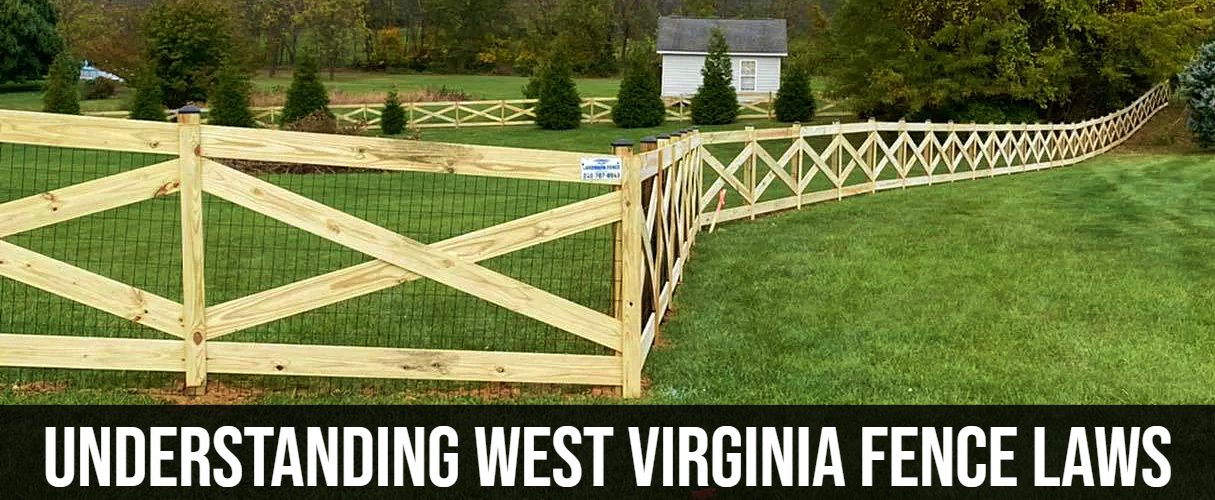
Introduction to West Virginia Fence Laws
You’ve come across a piece of land in the rolling hills of West Virginia—perfect for farming, building, or even flipping for a profit. Before you start installing that barbed wire or privacy hedge, it’s important to familiarize yourself with the state’s fencing regulations. These laws aren’t just about keeping livestock contained—they also help prevent disputes with neighbors that could lead to legal trouble and even impact your ability to sell your West Virginia property down the line.
Being aware of West Virginias fence laws can help you steer clear of complications whether its ensuring your fence complies with regulations or handling shared responsibilities with neighbors. Having a grasp of the rules from the start can help you avoid costly errors and maintain both your property and your relationships, in good standing.
Understanding Lawful Fences in West Virginia
What is a Lawful Fence?
First things first, what exactly is a “lawful” fence? In West Virginia, a lawful fence isn’t just any old barrier you slap together. It’s got to meet certain standards—think of it as the designer packaging of the fencing world, but without the fancy labels. A lawful fence might be a sturdy post-and-wire setup, high enough to keep those pesky deer out, or a hedge fence that could make even the most determined cow think twice before crossing. There’s even an official height requirement: a lawful fence must be tall enough and constructed with enough strands of wire to do the job, whether it’s holding back livestock or marking boundaries.
Types of Lawful Fences
Not all fences are created equal, and West Virginia law is pretty specific about what counts. Let’s break it down:
- Standard Fences: These are your bread-and-butter fences—posts and wires, or maybe even some good old-fashioned wooden slats. To qualify as lawful, these fences have to meet certain criteria, like height and the number of wires or boards. Think of it as meeting the minimum specifications for a product run—only this time, the product is peace of mind.
- Electrified Fences: Want to give your fence a little zap? Electrified fences are allowed under West Virginia law, but they have to be done right. You can’t just hook up an extension cord to some chicken wire and call it a day. The fence needs to be properly constructed, with specific height and wire spacing requirements to make sure it’s effective and safe.
- Hedge Fences: For those who prefer a more natural approach, hedge fences can also qualify as lawful fences. Just make sure that your hedge is dense and tall enough to keep wandering animals (or nosy neighbors) at bay.
Boundary & Partition Fences
Definition & Purpose
Boundary and partition fences have a function; to delineate your property from that of your neighbor. Whether you reside in an area or a suburban environment these fences play a crucial role in establishing ownership boundaries. They function akin, to a packaging solution tailored to meet your individual requirements—except here their purpose is preserving harmonious relationships rather than preserving the freshness of food.
Responsibilities for Construction & Maintenance
Here’s where things can get a bit sticky—literally, if you’re dealing with barbed wire. In West Virginia, neighbors generally share the responsibility for building and maintaining partition fences. If you’re planning to erect one, you’ll need to give your neighbor a heads-up. And if the fence starts looking like it’s seen better days, both parties are typically on the hook for repairs. It’s kind of like a joint investment in a packaging solution—both parties have a stake in the outcome.
Liability for Trespass of Animals
If your fence fails to keep your West Virginia livestock contained and they decide to go for a stroll on your neighbor’s property, you could be liable for any damage they cause. This is why it’s so crucial to make sure your fence is up to snuff—think of it as quality control for your property line. A good fence isn’t just about keeping things in; it’s about keeping problems out.
Cost Sharing & Dispute Resolution
Apportionment of Construction & Maintenance Costs
Building or repairing a fence isn’t cheap, but luckily, you don’t have to foot the bill alone. West Virginia law allows for the cost to be split between neighbors, much like splitting the cost of a bulk packaging order. But remember, this isn’t a free-for-all—there are rules about how these costs are shared, and it’s best to work these out before the first post is planted.
Dispute Resolution Processes
Disagreements over fences are as old as fences themselves. Whether it’s about who pays for what, or where exactly the fence should go, disputes can arise. West Virginia law provides a process for resolving these issues, which might involve mediation or even a day in court. Just think of it as a last-ditch quality assurance test—nobody wants to go there, but sometimes it’s necessary to get things right. At some point, especially if this is inherited property, it might be worth asking…. is it going to be easier for me to sell my inherited land West Virginia?
Special Considerations
Rivers & Streams as Lawful Fences
In some cases, nature provides the best fences. West Virginia law recognizes rivers and streams as natural boundaries that can serve as lawful fences. So, if you’ve got a creek running through your property, you might not need to build a fence at all—just let Mother Nature do the work.
Exceptions & Local Ordinances
While state law lays down the basics, local jurisdictions can have their own rules. These might include height restrictions or specific materials you can or can’t use. It’s like the difference between federal packaging regulations and state-specific requirements—always worth checking the fine print.
Conclusion to West Virginia Fence Laws
At the end of the day, understanding West Virginia’s fence laws isn’t just about knowing where you can and can’t put up a fence—it’s about protecting what’s yours, whether that’s your livestock, your privacy, or your peace of mind. These laws are designed to keep everything in its proper place, from your cattle to your good neighborly relations. Just like with any well-crafted packaging, the key is in the details: knowing the regulations, staying within the boundaries, and ensuring that everything holds up under pressure.
By following these rules, you’re not just avoiding potential legal disputes; you’re creating a solid foundation for peaceful coexistence with those around you. After all, good fences make good neighbors, as the saying goes, and in West Virginia, a good fence is one that meets the law’s requirements. So, whether you’re keeping livestock in or keeping prying eyes out, a little knowledge goes a long way in making sure your property—and your relationships—stay intact. At some point, it might be worth asking if all of this is worth the hassle and start asking…. How do I sell my WV land without a Realtor?
Frequently Asked Questions (FAQs)
1. Can I Build a Fence Directly on my Property Line?
Yes, in many cases, you can build a fence directly on the property line. However, it’s crucial to have a conversation with your neighbor first. Not only does this help avoid future disputes, but in some situations, your neighbor might share the cost of the fence. Always verify local regulations before starting any construction to ensure you’re in compliance with municipal rules.
2. How Tall Can My West Virginia Fence Be?
Fence height regulations in West Virginia vary depending on local zoning laws and whether your fence is in the front or backyard. Typically, front yard fences are required to be lower to maintain an open appearance, while backyard fences can be taller to provide more privacy. Be sure to check with your local planning department for specific height restrictions in your area.
3. Who Is Responsible for WV Fence Maintenance?
Maintenance responsibility usually falls on the property owner whose land the fence is on. If the fence is on the boundary line, both neighbors might share the responsibility, especially if they both benefit from the fence. It’s always best to have a clear agreement in writing to avoid any confusion down the road.
4. Do I Need a Permit to Build a West Virginia Fence?
Whether you need a permit depends on the type of fence and its location. Some fences, especially those of a certain height or in specific areas, might require a building permit. Checking with your local building department is the best way to avoid fines or having to alter or remove your fence after it’s built.
5. What Can I Do if My Neighbor’s Fence Encroaches on My Property?
If your neighbor’s fence encroaches on your property, the first step is to talk to them and try to resolve the issue amicably. If that doesn’t work, you may need to hire a surveyor to determine the exact property line and potentially seek legal action if the encroachment isn’t resolved.
Beyond the Mountain State: Regional Boundary Laws
Managing rural property outside of West Virginia means familiarizing yourself with a new set of agricultural statutes and boundary dispute regulations. Whether you are navigating shared fence maintenance in Pennsylvania or livestock containment rules in Kentucky, local laws dictate your responsibilities as a landowner. Explore our comprehensive guides below to confidently manage property lines across the Mid-Atlantic and Appalachian regions.
Mid-Atlantic & Appalachian Fence Resources
- Kentucky Boundary Regulations: Master the Bluegrass State’s rules for division fences and agricultural livestock containment.
- Virginia Livestock Fencing Rules: Review the Commonwealth’s statutes on “Fence In” vs. “Fence Out” counties and shared maintenance responsibilities.