Encroachments vs. Easements: What it Means for Your Land
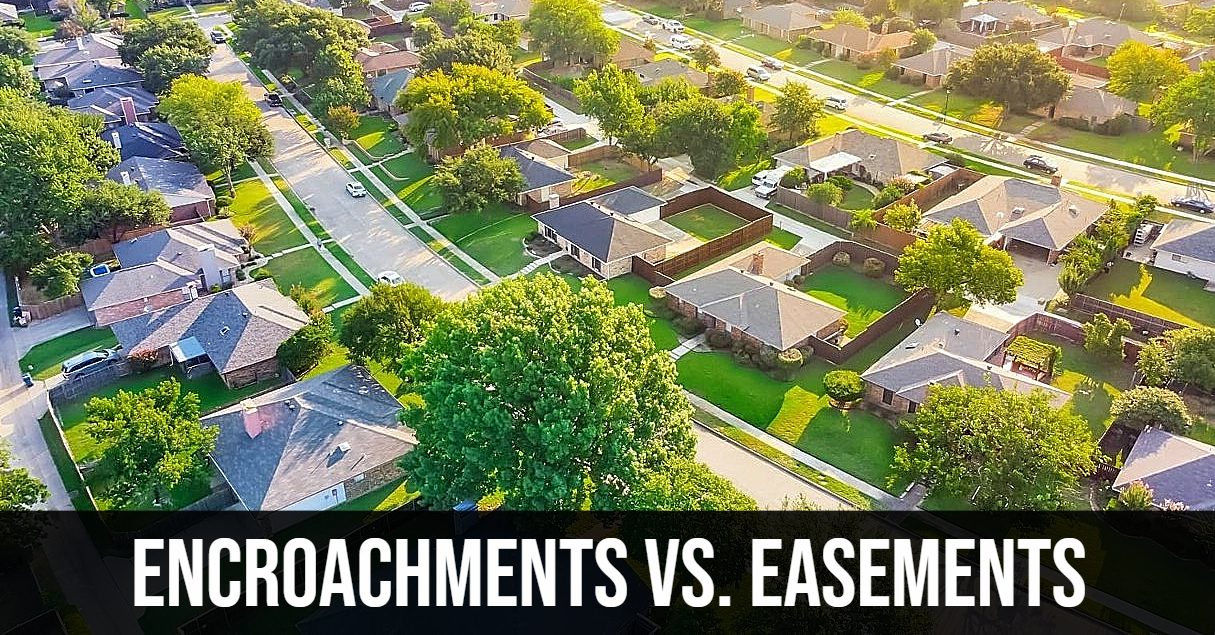
Navigating the world of property rights is like trying to solve a crossword puzzle where the clues are written in legalese. When you throw terms like “encroachments” and “easements” into the mix, it only gets spicier. Both terms involve stepping onto someone else’s turf, yet they dance to very different tunes in the legal realm. In this blog post, we’re going to strip down these complex concepts to their bare essentials, exploring their differences, understanding their legal impacts, and tossing in some real-world examples to make sure you grasp what they really mean for your property rights.
Let’s get ready to dissect these often-confusing legal terms with a sprinkle of humor and plenty of practical insights. Whether you’re a property owner tangled in boundary disputes, a potential buyer with an eye on the fine print, or just a curious soul hungry for knowledge, this guide will equip you with the essentials to navigate the tricky waters of property rights. Buckle up as we dive deep into the nuances of encroachments and easements, ensuring you emerge more enlightened—or at least well-prepared to handle any land-related curveballs life might throw your way!
What is an Example of an Encroachment?
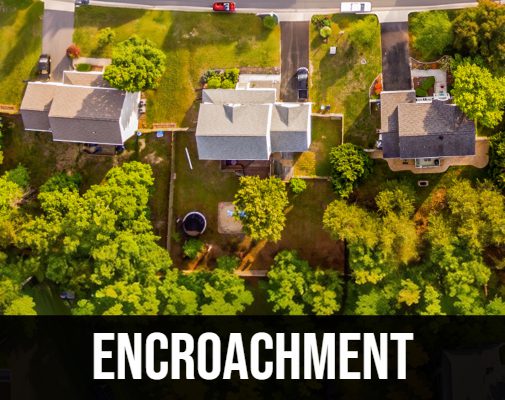
When it comes to property ownership, few things can raise the blood pressure quite like discovering an encroachment. This occurs when one property owner, perhaps inspired by the spirit of expansion, extends a structure or improvement onto another person’s land without asking permission. Whether it’s a fence that cheekily crosses the boundary line, a tree limb nonchalantly dangling over a neighbor’s garden, or a shed that’s boldly claimed territory beyond its own backyard, encroachments can spark anything from mild annoyance to full-blown legal fireworks.
Encroachments often come to light during routine events like a land survey, a title search, or, more dramatically, when a property is on the brink of sale. Addressing these issues swiftly can help dodge the legal bullets that sometimes follow and keep your property rights firmly intact.
What is the Difference Between an Easement & Encroachment?
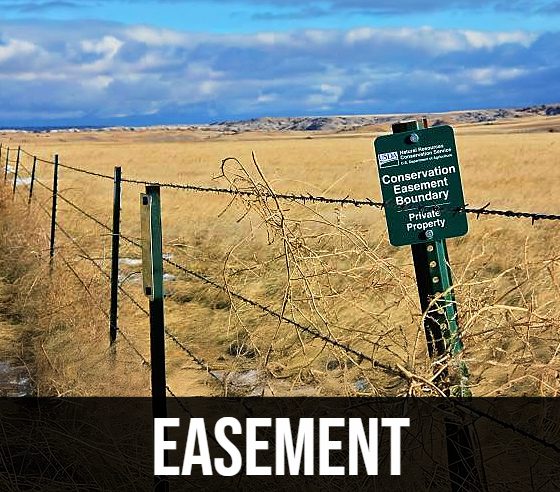
While they may sound similar, easements and encroachments are different beasts in the wild world of property law. An easement is a legal permission slip allowing one party (the dominant estate) to use another person’s property (the servient estate) for a specific purpose. These are above-board agreements, often recorded in official documents and designed to benefit both parties. Common easements include right-of-way (helping landlocked properties gain access to public roads), utility easements (letting utility companies run lines or pipes through private land), and conservation easements (preserving natural or historical lands).
On the other hand, an encroachment is like an uninvited guest at a party—it shows up without permission, causing potential strife. Unlike easements, which are meant to be mutually beneficial, encroachments typically lead to disputes since they involve the use of another’s property without consent.
What is the Consequence of Encroachment?
The fallout from an encroachment can vary from a simple neighborly chat to a full-scale legal showdown. Proactively managing encroachments is crucial. By addressing these issues early on, you can prevent legal headaches and protect the value and integrity of your property. Here are a few potential consequences of letting encroachments linger:
Legal Disputes
Encroachments can escalate into neighbor disputes, leading to stressful and often expensive legal battles.
Loss of Property Value
Discovering an encroachment can devalue your property, complicating or even derailing potential sales.
Forced Removal
If polite requests don’t move your neighbor to action, you might need to seek a court order to remove the encroaching structure.
Property Damage
Sometimes, theses intrusions can lead to physical damage (think invasive tree roots or water runoff), which might necessitate costly repairs.
What is the Primary Danger of Allowing an Encroachment?
Let’s talk about the elephant in the room—or, more aptly, the neighbor’s shed on your side of the property line. Ignoring an encroachment doesn’t just create awkward backyard BBQs; it harbors the risk of losing part of your land to the neighbor through a little something called adverse possession. Yes, that’s as serious as it sounds.
Adverse possession is like a legal backdoor into owning property. If someone uses your land “openly and notoriously,” without sneaking around, and this use is continuous, uninterrupted, and exclusive (they’re the only ones using it) and, importantly, without your permission, they might just gain legal ownership. The specifics can vary wildly from one state to another, but the threat is universal.
Allowing an encroachment to go unchallenged isn’t just about being neighborly; it’s a legal gamble with your land at stake. Addressing encroachments swiftly can protect your rights and save you from potentially thorny legal battles down the road. When in doubt, it’s wise to consult with legal counsel to nip any budding adverse possession claims in the bud.
What are Other Terms used for Encroachment
While ‘encroachment’ is the star of today’s show, it shares the stage with a few other terms worth knowing, which can also light up legal fireworks:
Trespass
This is the classic “you’re on my property” scenario. It refers to any unauthorized entry onto your land, whether by a neighbor, their pet, or a random passerby deciding your backyard is the perfect picnic spot.
Boundary Dispute
This drama unfolds when property owners can’t agree on where one lot ends and another begins. Encroachments often spark these disputes, especially when a fence or building straddles what used to be a clear line.
Overhanging Structures
These are the branches, eaves, or anything else that physically crosses into your airspace. Romantic in a Romeo and Juliet scenario, potentially litigious in real estate.
Adverse Possession
Already a featured guest, this is the legal doctrine that can turn a long-term encroachment into a property transfer. Think of it as squatter’s rights but with more legal paperwork.
Conclusion to Easements vs. Encroachments
Understanding the nuances between encroachments and easements is more than academic—it’s a crucial part of safeguarding your property rights. Encroachments represent unauthorized intrusions that can escalate into serious legal disputes and even loss of property if not addressed. In contrast, easements are legal agreements that benefit both parties, often without drama.
Whether you’re drafting land sale signs, planting new hedges, or building that dream extension, keeping an eye on the boundaries and legalities can prevent major headaches later. Always be proactive about encroachments and seek legal advice when things seem murky. After all, it’s better to be safe than sorry, especially when your land is on the line.