
How to Subdivide Land in Illinois: A Complete Guide
Thinking about subdividing land in Illinois? Maybe you have more acreage than you need or want to create smaller, buildable lots for sale. Subdividing can turn one large tract into multiple, more valuable parcels while giving you flexibility in how the land is used. Before hiring a surveyor, know that the Illinois Plat Act requires a recorded subdivision plat for parcels under five acres, and local zoning rules vary by county.
Illinois covers about 35.8 million acres, with roughly 27 million acres of farmland. In rural areas, road access, utilities, and soil conditions often determine whether a subdivision is approved. In suburban counties, zoning and frontage requirements tend to be stricter. Understanding local regulations early helps you divide land efficiently and maximize property value.

What Does It Mean to Subdivide Land in IL?
Subdividing land means dividing one larger property into smaller, legally recognized lots that can be sold or developed. It’s more than drawing lines on a map—under the Illinois Plat Act, any division of land under five acres typically requires a surveyed and recorded subdivision plat approved by the local authority.
The goal is to create lots that are legal, marketable, and properly recorded. Final plat approval is required before any new lot can be sold or transferred, ensuring every parcel meets local zoning, access, and utility standards. This process protects both the buyer and seller while helping maintain property value and compliance with county regulations.
Benefits of Subdividing Land in Illinois
Subdividing your land in Illinois can be a smart way to boost property value and create new opportunities. Whether you’re selling smaller lots, keeping part of your land for yourself, or preparing for future development, subdivision can make your property more attractive to a wider range of buyers. Demand for smaller, build-ready parcels continues to grow across both rural counties and suburban markets near Chicago, Springfield, and Peoria.
If the process of surveys, access planning, and local approvals sounds overwhelming, you can always sell your land in Illinois instead. But for landowners ready to divide and develop, here are a few of the biggest advantages subdivision can offer:
Increased Property Value
Smaller, well-planned lots often sell faster and at a higher price per acre than a single large tract. In Illinois, average farmland value rose to about $9,400 per acre in 2024 according to USDA data, one of the highest in the Midwest. By subdividing, landowners can capture even greater returns through higher per-acre pricing.
Flexibility in Land Use
Subdivision allows you to sell part of your land while keeping the rest for personal or investment use. You can create residential, agricultural, or mixed-use parcels, giving you control over how your property generates income now and in the future.
Access to a Broader Buyer Pool
Illinois land prices vary widely—from $5,000 per acre in rural regions to $25,000+ per acre near major metro areas. Subdividing lets you market smaller, affordable parcels to a broader range of buyers, including homeowners, builders, and investors who aren’t looking for large acreage.
Strong Profit Potential & Liquidity
Multiple smaller lots generally sell faster and attract more offers than a single large parcel. Subdivision improves liquidity, reduces carrying costs, and gives landowners more flexibility in timing sales to maximize profits across a stronger buyer base.
Key Requirements for Subdividing Land in Illinois
Dividing property in Illinois requires following local regulations for zoning, access, and infrastructure. Every county has its own subdivision ordinance, but all must comply with the Illinois Plat Act (765 ILCS 205). This law ensures that any new lot meets minimum standards for frontage, utilities, and legal access. Planning ahead helps prevent costly delays and ensures your plat is approved on the first submission.
Local Zoning & Subdivision Definition
Under the Illinois Plat Act, a subdivision is typically defined as dividing a parcel into two or more lots for sale, lease, or development. Many counties require review and approval from their planning or zoning department before the plat can be recorded. For detailed land division definitions and requirements, see the Illinois General Assembly and the Illinois Department of Agriculture.
Minimum Lot Sizes & Local Variance
Minimum lot sizes depend on zoning and available utilities. In suburban or sewer-served areas, lots may start at 8,000–10,000 square feet, while rural areas often require one acre or more if septic systems are used. Local health departments and planning commissions set these standards to protect groundwater and public health.
Utilities, Road Access & Infrastructure
Each new lot must connect to approved utilities and have legal access to a public road or recorded easement. Some counties require proof of service connections before final plat approval. In rural areas, you may need to extend roads, power lines, or water mains to meet county requirements, which can affect project cost and timeline.
Environmental & Health Considerations
Subdivisions using private wells or septic systems must meet county and state health standards for soil suitability, percolation, and drainage. Areas within floodplains or near wetlands may require additional environmental review or permits under state and federal regulations such as the Clean Water Act.
Minor vs. Major Subdivision Process
Most Illinois counties classify projects as either minor or major subdivisions. Minor subdivisions typically involve two to five lots without major infrastructure work, while major subdivisions create six or more lots or new roads. Major subdivisions often require planning commission approval and public hearings before final recording.
Steps to Subdivide Land in Illinois
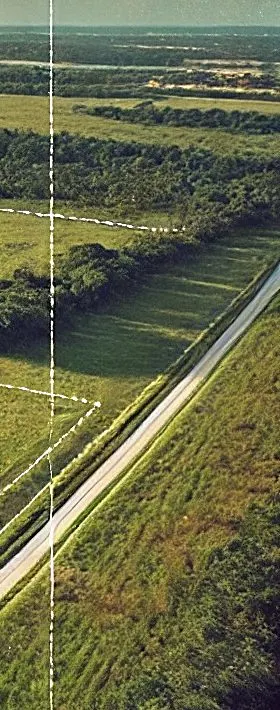
Subdividing land in Illinois can be a profitable move, but it’s also a regulated process managed by both state and county authorities. While details differ by location, most Illinois counties follow similar steps involving zoning checks, surveys, and planning approvals. Here’s how the subdivision process typically works in Illinois.
1. Research Local Subdivision Rules
Start by contacting your county or municipal planning office to learn the specific subdivision requirements in your area. In Illinois, dividing a property into two or more lots generally qualifies as a subdivision. Each county sets its own rules for minimum lot size, frontage, and access, so understanding those upfront helps you plan efficiently.
2. Verify Zoning and Land Use Designations
Your zoning classification determines how your property can be divided and used—whether residential, agricultural, or commercial. Zoning also dictates minimum lot sizes, density limits, and setback distances. Rural counties may require proof of road access or easements before approving a new plat, especially where public infrastructure is limited.
3. Hire a Licensed Surveyor
Work with a licensed Illinois land surveyor to prepare a certified boundary and subdivision plat. The surveyor will identify easements, rights-of-way, and topographic features that could affect development. Counties typically require a sealed plat before review or recordation.
4. Prepare a Subdivision Plan
With your surveyor or engineer, create a detailed subdivision plan showing proposed lot lines, drainage, road access, and utility connections. Small subdivisions often need only a boundary plat, while larger projects require full engineering drawings to meet stormwater, grading, and infrastructure standards.
5. Submit the Plat for County Review
Submit your subdivision plat to the local planning or zoning department. Minor plats can often be approved administratively, while major subdivisions go before the planning commission and may require public hearings. Reviews typically take 30 to 90 days depending on the complexity and workload of the county.
6. Address Access, Utilities, and Infrastructure
Each lot must have legal access via a public road or approved easement, along with reliable utility service for water, power, and sewer or septic. In rural areas, you may need to extend roads, install private drives, or build new utility connections to meet county standards.
7. Obtain Final Approval and Record the Plat
After the planning authority grants final approval, record the plat with the county recorder’s office. Recording officially establishes each new lot in Illinois property records, allowing you to sell or develop them individually. Without recording, the subdivision is not legally recognized under Illinois law.
Costs Involved in Subdividing Land in Illinois
Subdividing land in Illinois can be profitable, but it comes with several costs that depend on acreage, location, terrain, and county regulations. Whether your property is in the Chicago suburbs, near Springfield, or in a rural county, knowing the expected expenses helps you plan your project and protect your profit margins.
Surveyor Fees
Hiring a licensed surveyor is one of the first required steps. In Illinois, surveyor fees typically range from $1,500 to $4,000 for smaller or straightforward parcels. Large or irregular tracts may reach $6,000 or more if they require topographic mapping, floodplain analysis, or multiple boundary adjustments. Surveying costs in Illinois are slightly higher than the national average, especially in suburban counties with higher labor costs.
Legal & Professional Fees
Most landowners work with a real estate attorney, engineer, or land-use planner to ensure compliance with local zoning and subdivision standards. These services usually range from $2,000 to $7,000 depending on the size and complexity of the project. Larger developments that need public hearings, rezoning, or environmental reports will be on the higher end of that range.
Utility & Infrastructure Costs
Extending or upgrading utilities such as water, sewer, and electric lines often represents the largest expense. For smaller projects, costs typically range from $10,000 to $35,000, while major subdivisions with new roads or stormwater systems can exceed $100,000. Illinois infrastructure costs tend to align with the national average, though construction and material prices are higher in metro areas.
Approval & Application Fees
County and municipal planning departments in Illinois generally charge between $200 and $1,500 for subdivision applications, plat reviews, and recording. Larger or multi-lot developments may also require additional fees for engineering and utility inspections.
Total Estimated Costs for Subdividing in Illinois
| Expense Category | Typical Cost Range (USD) | Notes |
|---|---|---|
| Surveyor Fees | $1,500 – $6,000 | Boundary survey and plat map; higher in metro areas. |
| Legal & Professional Fees | $2,000 – $7,000 | Covers attorney, engineer, or planner services. |
| Utility & Infrastructure Costs | $10,000 – $100,000+ | Roads, drainage, and utility connections. |
| Approval & Application Fees | $200 – $1,500 | County review and recording fees. |
| Environmental or Soil Testing | $500 – $3,000 | Percolation or floodplain testing. |
| Total Estimated Range | $14,000 – $115,000+ | Depends on parcel size and location. |

Common Challenges in Subdividing Land in Illinois
Subdividing land in Illinois can create significant value, but it’s rarely straightforward. Between zoning restrictions, infrastructure demands, and multi-agency approvals, even small projects can take months to complete. With the right preparation and professional help, the process is manageable—but expect a few challenges along the way.
Zoning & Lot Size Restrictions
Zoning laws and minimum lot size requirements are often the first major hurdles. If your land isn’t zoned for smaller parcels, you may need a rezoning or variance, which can take several months and may involve public hearings. Even minor splits can trigger a full subdivision review in certain Illinois counties.
Terrain, Access & Infrastructure Constraints
Illinois offers a mix of flat farmland, suburban development zones, and wooded rural tracts. While much of the state is well-suited for subdivision, challenges can arise with drainage, floodplain areas, or lack of road access. Parcels without nearby utilities may require costly extensions for power, water, or sewer connections before approval.
Environmental & Health Regulations
State and county agencies enforce strict rules for stormwater management, soil drainage, and septic system placement. Properties near flood zones, wetlands, or waterways may need soil testing or environmental permits before plat approval. Skipping these reviews can lead to costly delays or denials.
Approval Delays & Multi-Agency Review
Subdivision applications in Illinois typically move through several departments—planning, zoning, engineering, and public health. Small projects might be approved within 30 to 60 days, but larger developments or those involving infrastructure improvements can take six months or more.
Neighborhood or Local Opposition
Even if a subdivision meets every regulation, neighboring property owners may oppose it over concerns about traffic, density, or drainage. Proactive communication, transparency, and presenting a well-documented plan can help minimize opposition and keep the process moving smoothly.
Skip the Hassle: Sell Your Land to Bubba Land Company
Let’s be honest—subdividing land is a complicated, time-consuming process. From navigating zoning laws to paying costly fees for surveys and permits, the hurdles just keep coming. Not to mention, once your land is subdivided, you still have to market each lot, deal with potential buyers, and hope for a smooth closing. Sounds exhausting, right?
Why not skip all that and sell your land directly to Bubba Land Company? Here’s why working with us is a better option:
- No Costly Fees: When you sell to Bubba Land, you avoid all the Realtor fees, closing costs, and survey fees involved in subdividing. Keep more cash in your pocket instead of paying for legal and engineering services.
- Fast & Simple Process: Subdividing can take 6-12 months or longer, while selling to us takes a fraction of the time. We make direct offers and close quickly, so you can avoid months of waiting and uncertainty.
- Immediate Cash Offers: Why wait for multiple buyers when you can get a cash offer right now? Forget about the hassle of listing your land or showing it to buyers—we’ll take care of everything.
- Avoid Legal Pitfalls: The subdivision process involves zoning laws, environmental regulations, and even public hearings. Instead of getting bogged down in legal paperwork, sell to Bubba Land and let us handle the complexities.
- Sell As-Is: Whether your land is undeveloped, in a rural area, or comes with issues like utility access, we’ll buy it as-is. No need to spend money or time on costly improvements.
At Bubba Land Company, we specialize in providing a seamless, stress-free experience for landowners like you. Don’t spend months dealing with the complexities of subdividing land—sell directly to us and move on with your life faster. We’re here to give you a fair, straightforward offer without the headaches.
Conclusion on Subdividing Land in Illinois
Turning one Illinois property into multiple lots can be a great way to increase your land’s value—but it’s not a quick process. Between surveys, zoning approvals, and infrastructure requirements, subdivision takes time, patience, and local know-how. When done properly, it can turn a single tract into several profitable parcels ready for sale or development.
If you’d rather avoid the paperwork and long approval process, Bubba Land Company in Illinois makes it simple. We buy land directly across Illinois, allowing you to skip zoning meetings, engineering costs, and lengthy county reviews. Whether you decide to subdivide or sell outright, understanding your options ensures you get the best return from your Illinois property.
Frequently Asked Questions (FAQs)

Do I need a lawyer to subdivide my property?
You don’t always need a lawyer to subdivide land in Illinois, but hiring one can help if your project involves multiple owners, easements, or zoning changes. For simple two-lot splits, a licensed surveyor and county planning staff are usually enough. Legal guidance adds protection for larger or more complex subdivisions.
What is the process of subdividing in Illinois?
The subdivision process in Illinois starts with reviewing local zoning and lot-size rules under the Illinois Plat Act. You’ll then hire a licensed surveyor to prepare a plat map, submit it to your county or municipality for approval, meet all access and utility requirements, and record the final plat to make each new lot legal.
How much does it cost to subdivide a plot of land?
The cost to subdivide land in Illinois varies depending on location, number of lots, and infrastructure needs. Smaller projects often range from $5,000 to $25,000, including surveys, filings, and legal work. Larger subdivisions that require new roads or utility extensions can exceed $75,000 or more.
What are the 5 requirements for adverse possession in Illinois?
To claim property by adverse possession in Illinois, your use of the land must be hostile, actual, exclusive, open and notorious, and continuous for the required period. Typically, that period is 20 years, or 7 years if you have color of title or have been paying taxes on the property.
What is the 7 day rule in Illinois?
The “7-day rule” in Illinois refers to labor law, not land ownership. Under the One Day Rest in Seven Act, employers must provide eligible workers at least one full day of rest in every seven-day period. It ensures fair working conditions and does not relate to real estate or property law.